Modern households increasingly prioritize appliances that combine performance with efficiency. Among these, energy-efficient refrigerators stand out for their ability to conserve electricity while maintaining optimal food storage conditions. Selecting the right appliance can influence utility expenses, environmental impact, and the convenience of daily routines.
A fridge designed with energy-saving technology ensures consistent cooling without excessive power consumption, reducing monthly bills and contributing to a greener home. Beyond the basic function of preserving perishables, these appliances offer long-term reliability and operational cost advantages. This article explores five compelling reasons that make energy-efficient refrigerators a smart long-term choice.
1. Reduced Energy Consumption
Energy-efficient refrigerators require significantly less electricity than conventional models. They achieve this through advanced insulation, optimized compressors, and intelligent temperature regulation, ensuring minimal wastage. Households can observe a tangible drop in energy bills while still benefiting from reliable cooling performance.
The design of such appliances includes adaptive defrost mechanisms that avoid unnecessary power usage, maintaining efficiency throughout the year. Regular operation under these parameters translates to lower environmental strain and financial savings. Consequently, selecting a model with verified energy ratings ensures measurable efficiency and durability.
2. Extended Lifespan and Durability
Appliances built with energy-conscious technology generally experience less wear and tear over time. Their components operate under optimal conditions, reducing stress on the compressor and internal cooling elements. This consistency contributes to a longer operational life, minimizing repair needs and replacement frequency.
Materials used in construction tend to resist corrosion and maintain structural integrity, providing continued performance. Routine maintenance becomes simpler due to predictable functioning patterns and fewer unexpected malfunctions. This translates to a more reliable appliance that remains functional for years with minimal intervention.
3. Consistent Performance and Food Preservation
Energy-efficient appliances deliver stable temperatures throughout daily use. Even when the door opens frequently, these refrigerators adjust to preserve food quality without spikes in energy usage. Advanced cooling systems prevent freezing of delicate items while keeping frozen products stable.
Humidity levels remain balanced, slowing spoilage and extending the shelf life of fresh produce. Internal airflow designs support even temperature distribution, reducing hot spots and preventing waste. Homeowners can rely on these refrigerators to maintain consistent performance regardless of usage intensity.
4. Financial Savings Beyond Electricity
The benefits of energy-efficient refrigerators extend beyond lower power bills. Reduced mechanical strain leads to fewer repairs and longer intervals before replacements become necessary. Tax incentives or energy rebates in some regions further enhance affordability, making the initial investment worthwhile.
Smart allocation of resources allows households to save money while enjoying high-quality cooling and storage. Appliances with minimal energy requirements also diminish household operating costs. Investing in such technology ultimately results in cumulative financial advantages over the years.
5. Enhanced Convenience and Monitoring
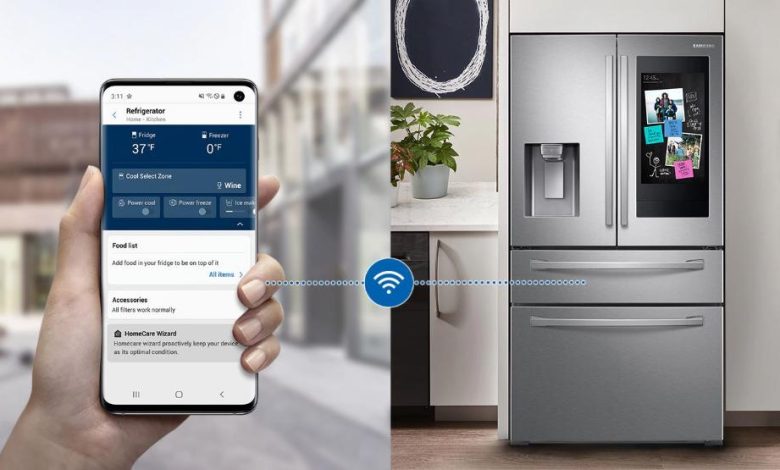
Modern energy-efficient refrigerators feature integrated systems to monitor usage and adjust operations automatically. Some models provide notifications or indicators for door status, filter changes, or energy consumption trends. Users gain insights into appliance performance without constant manual checks.
Features like temperature control zones and quick-freeze compartments improve convenience while maintaining efficiency. This level of automation supports better organization of stored items and reduces food wastage. The combination of intelligent monitoring and user-friendly operation makes these refrigerators practical and effortless additions to any household.
An energy-efficient fridge offers multiple long-term advantages, from lower electricity bills to consistent cooling performance. Lower electricity bills and convenience collectively make such refrigerators a wise choice. Combining financial and environmental benefits, these appliances ensure practical value for years of reliable performance. Their durable design and efficient operation provide peace of mind, making them a dependable addition to any household.
Content Quality Form
Content Proof checked by Ananya Chatterjee
Relevancy:
1. Related to the client’s products or services (Yes)
2. No Review type content (Yes)
3. Relevant to the target link included in the article (Yes)
Topic:
1. Topic should be editorial and related to the brand’s product or service (Yes)
2. Content should not be overly promotional about the brand’s product or service (Yes)
3. Quality (Yes)
4. Written in US English (Yes)
5. No grammar, spelling errors, run on sentences, etc. (Yes)
6. Minimum 500 words (Yes)
7. Tense, POV maintained across the content (Yes)
Links:
1. Link is geo-focused; content should be related to that geo. Ex: if the link is about a specific location, the content should also be related to that location (Yes)
2. Link is not out of place with the content (Yes)
3. Link should appear as early in the content as possible (Yes)
4. Only include the 1 brand link provided (i.e. do not add additional links to the client’s other pages or homepage unless specified) (Yes)
Anchor Text:
1. Matches exactly with what is provided (pay attention to intentional misspellings and upper/lowercase) (Yes)
2. Flows naturally into the sentence and not be awkwardly stuffed in other links (Yes)
3. Included at least 1 outbound relevant link to non-competitor sites (Yes)
4. Included at least 1 internal relevant link within the shortlisted site (Yes)
5. Anchor text is relevant to the page it’s linking to (Yes)
Disclosure
1. Not written as if the client wrote it, do not use terms like “we” and “us” (Yes)
2. Relevant Image included (No)