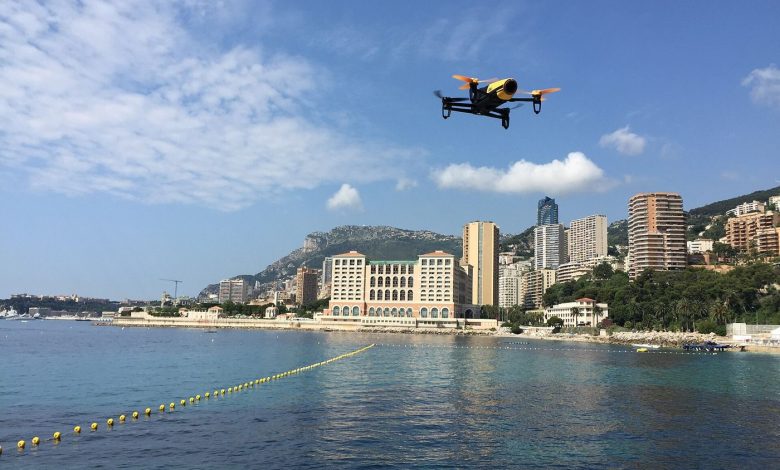
A photograph taken from a hundred metres up used to require a helicopter. Today a drone the size of a paperback can do it, hovering steadily in wind, following a subject automatically and returning home when its battery runs low. Camera drones have moved from a hobby for enthusiasts into the hands of travellers, estate agents, wedding photographers, farmers and filmmakers, and the pictures they produce have become familiar on social media, in property listings and on the evening news. Modern models carry stabilised cameras that shoot sharp 4K video, avoid obstacles with sensors and fly for half an hour or more on a single charge. Prices have fallen while quality has risen, and the smallest models now weigh less than 250 grams, which in many countries places them in a lighter category of regulation. The view from above has become ordinary.
What the Evidence Shows
The freedom comes with rules that every owner needs to learn. Most countries require registration for heavier drones, forbid flying near airports, over crowds or above a set altitude, and demand that the pilot keep the aircraft in sight. Privacy is the most sensitive issue: a camera overhead can film gardens, windows and people who never agreed to be photographed, and several countries have tightened the law on where drones may be flown. Safety matters too, since a falling drone can injure people and a collision with an aircraft could be catastrophic. Manufacturers have added geofencing that blocks flights in restricted zones and sensors that stop a drone flying into obstacles. Used responsibly, a camera drone is a remarkable tool; used carelessly, it is a fast route to a fine or a ban. Reporting and analysis from sources such as Wired track the same developments, and specialists following camera drones say the direction is now consistent across independent lines of evidence.
The Wider Context
The wider context is an industry learning to ship capability and restraint together. Products built around camera drones now launch with safety evaluations, usage data and rollback plans as standard, because enterprise buyers and regulators ask for them in the first meeting. Companies that treated those questions as friction are discovering they have become the purchase criteria.
What Happens Next
What happens next for camera drones depends less on another breakthrough than on the unglamorous work of reliability, pricing and support. The buyers evaluating it now are not enthusiasts; they are operators with budgets and auditors, and their checklists will decide the timeline. On the evidence of the current pilots, the technology has earned the right to be judged by them. You can follow related developments in our coverage of technology.
None of this will be settled by a single announcement, study or product launch. The pattern to watch is accumulation: independent confirmations, honest reporting of failures and steady improvement in the underlying numbers. Readers who follow those signals, rather than the loudest claim of the week, will understand this subject better than most of the commentary surrounding it suggests is possible.