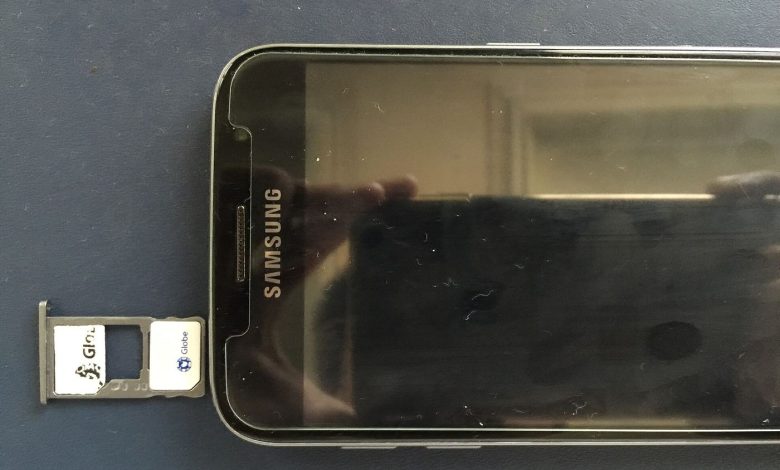
The small plastic SIM card has connected mobile phones to networks for more than 30 years, but it is quietly disappearing. Apple took the first decisive step in September 2022, when the iPhone 14 models sold in the United States shipped without a SIM tray at all, using only an eSIM, a programmable chip built into the phone. Samsung, Google and other makers have followed with eSIM support in their flagship phones, and a growing number of carriers around the world now let customers activate service by scanning a code instead of inserting a card. The change removes a fiddly piece of plastic and a slot that lets in dust and water, and it allows a single phone to hold several numbers at once, which is useful for people who travel or keep work and personal lines separate.
What the Evidence Shows
The transition is not without friction. Moving an eSIM to a new phone can be more awkward than moving a plastic card, and support varies widely between carriers and countries: some networks still require a visit to a shop, and travellers in some regions find local eSIMs hard to buy. There are security arguments on both sides. An eSIM cannot be physically removed and swapped into another phone by a thief, but criminals can still persuade a carrier to transfer a number, the SIM swap scam that continues to cause large losses. The direction of travel is nonetheless clear: the industry body GSMA expects eSIM to become the default, and each new generation of phones pushes the tray further towards extinction. The plastic SIM, like the headphone jack before it, is on its way out. Reporting and analysis from sources such as Wired track the same developments, and specialists following eSIM technology say the direction is now consistent across independent lines of evidence.
The Wider Context
The wider context is an industry learning to ship capability and restraint together. Products built around eSIM technology now launch with safety evaluations, usage data and rollback plans as standard, because enterprise buyers and regulators ask for them in the first meeting. Companies that treated those questions as friction are discovering they have become the purchase criteria.
What Happens Next
What happens next for eSIM technology depends less on another breakthrough than on the unglamorous work of reliability, pricing and support. The buyers evaluating it now are not enthusiasts; they are operators with budgets and auditors, and their checklists will decide the timeline. On the evidence of the current pilots, the technology has earned the right to be judged by them. You can follow related developments in our coverage of technology.
None of this will be settled by a single announcement, study or product launch. The pattern to watch is accumulation: independent confirmations, honest reporting of failures and steady improvement in the underlying numbers. Readers who follow those signals, rather than the loudest claim of the week, will understand this subject better than most of the commentary surrounding it suggests is possible.