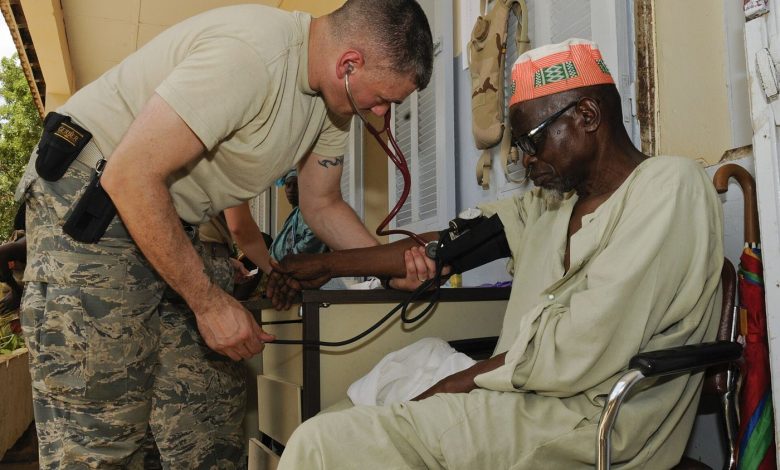
Home blood pressure monitoring is helping patients and doctors build a fuller picture than occasional clinic readings alone can provide. A week of calm, correctly taken measurements at home often reveals patterns hidden by rushed appointments or the anxiety some people feel in medical settings. Clinicians say the technique is simple but details matter: the right cuff size, a supported arm and sitting quietly before measuring. When done properly, home readings can guide treatment decisions earlier and spare some patients unnecessary medication changes in many routine cases.
What the Evidence Shows
Patients are usually asked to measure twice in the morning and twice in the evening for several days, recording every result rather than only the most reassuring ones. Doctors then average the readings and discuss them alongside other risk factors. Pharmacists can check devices, demonstrate technique and spot cuffs that no longer fit properly. Health services remind people that a single high reading is not an emergency by itself, but repeated high results should always be discussed promptly with a clinician. Reporting and analysis from sources such as National Institutes of Health track the same developments, and specialists following home blood pressure monitoring matters say the direction is now consistent across independent lines of evidence.
The Wider Context
The wider context is a health system trying to move from treating illness late to preventing it early, against budgets that reward the opposite. Evidence around home blood pressure monitoring matters is being weighed by guideline committees that ask two questions in order: does it work, and can ordinary services actually deliver it at scale. Many good ideas pass the first test and stall on the second.
What Happens Next
What happens next for home blood pressure monitoring matters depends on the slow machinery of guidelines, funding and training catching up with the evidence. Patients asking about it today should expect honest answers that include uncertainty, and clinicians say a service that explains what is not yet known earns more trust than one that oversells. The research pipeline, at least, is moving in the right direction. You can follow related developments in our coverage of health.
None of this will be settled by a single announcement, study or product launch. The pattern to watch is accumulation: independent confirmations, honest reporting of failures and steady improvement in the underlying numbers. Readers who follow those signals, rather than the loudest claim of the week, will understand this subject better than most of the commentary surrounding it suggests is possible.
There is a practical lesson in all of this for readers deciding what to do today. Start with the verified facts, be wary of anyone promising certainty, and prefer reversible steps while the evidence is still developing. Circumstances differ by country, income and personal situation, so general guidance should always be weighed against your own context before you act on it in any significant or lasting way.