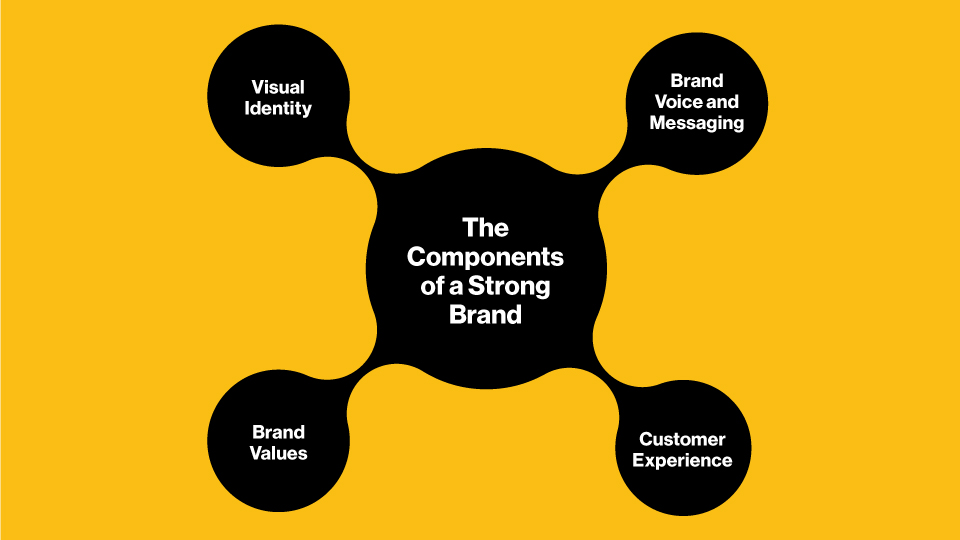
A strong brand identity helps businesses establish recognition, communicate their values, and create a distinct position in competitive markets. A company’s identity is more than its logo, colors, or tagline. It includes the way customers perceive the business, the emotions associated with it, and the overall experience people have when interacting with the brand.
As consumers become increasingly selective about the businesses they support, companies need effective ways to communicate their identity. Experiential marketing provides an opportunity to do this through direct, memorable, and interactive customer experiences. Instead of simply telling audiences what a brand represents, businesses can allow customers to experience those qualities firsthand.
Understanding Experiential Marketing
Experiential marketing is a strategy that focuses on creating direct interactions between customers and brands. It encourages audiences to participate in experiences rather than simply receive traditional promotional messages.
These experiences can include live events, product demonstrations, pop-up activations, interactive displays, workshops, immersive installations, and technology-driven experiences. Each activity can be designed to communicate a particular aspect of a brand’s identity.
For example, a company that wants to be perceived as innovative could create an interactive technology experience. A brand that emphasizes community might organize an event that brings customers together around shared interests.
The experience becomes an extension of the brand itself.
Making Brand Values More Visible
One of the biggest advantages of experiential marketing is its ability to make abstract brand values tangible. Businesses frequently describe themselves using terms such as innovative, sustainable, customer-focused, creative, or premium. However, customers may not fully understand these claims from advertising alone.
Experiential marketing allows companies to demonstrate their values through real interactions.
A sustainability-focused business, for example, could create an experience that demonstrates responsible production methods. Customers can see the process, interact with educational displays, and learn how the company’s approach affects its products.
This gives customers something concrete to associate with the brand’s values.
Creating Consistent Brand Experiences
Consistency is essential when developing a recognizable brand identity. Customers should encounter similar messages, visual elements, tone, and values across different touchpoints.
Experiential marketing can reinforce this consistency by incorporating the company’s existing brand identity into physical and digital experiences.
Event design, signage, staff interactions, product demonstrations, digital content, and promotional materials should all communicate a unified message.
When customers repeatedly encounter consistent brand characteristics, they are more likely to develop a clear understanding of what the company represents.
Building Emotional Associations
Brand identity is influenced by emotions as well as visual recognition. Customers often develop stronger relationships with companies that make them feel positive emotions.
Experiential marketing can create opportunities for businesses to generate excitement, inspiration, trust, curiosity, or a sense of belonging.
For example, a sports brand could create an interactive experience centered around achievement and community. Participants may leave with positive memories that become associated with the company.
Over time, these emotional associations can become an important part of how customers perceive the brand.
Differentiating From Competitors
Competitive markets often contain businesses offering similar products or services. A distinctive brand identity can help companies stand apart.
Experiential marketing gives businesses an opportunity to demonstrate what makes them different. Instead of relying only on claims in advertisements, companies can create unique experiences that reflect their personality and positioning.
A premium company might develop an exclusive, highly personalized event. A technology brand could create an immersive demonstration showcasing its innovative approach.
When the experience is distinctive, customers may have a stronger reason to remember the brand.
Engaging Customers Through Storytelling
Every brand has a story to tell. Experiential marketing can transform that story into a customer experience.
Rather than simply presenting information about a company’s history or mission, businesses can design experiences that guide customers through different parts of the brand story.
For instance, a company could demonstrate how an idea developed into a finished product. Customers might see prototypes, interact with demonstrations, and learn about the people and values behind the business.
This type of storytelling can make a brand feel more authentic and relatable.
Personalizing the Brand Experience
Personalization can also contribute to stronger brand identity. Customers are more likely to engage with experiences that reflect their interests and needs.
Businesses can offer customized demonstrations, personalized recommendations, exclusive activities, or different experience paths for different audience segments.
An experienced experiential marketing agency can help businesses determine how personalization can be incorporated without weakening the consistency of the overall brand.
The goal is to make customers feel recognized while ensuring that every interaction still communicates the company’s core identity.
Using Technology to Reinforce Brand Identity
Technology has expanded the possibilities available through experiential marketing. Businesses can use augmented reality, virtual reality, interactive screens, mobile applications, digital games, and other tools to create engaging experiences.
For example, a technology company could allow visitors to explore a virtual environment that demonstrates its capabilities. A retail brand could use interactive technology to help customers discover products based on their preferences.
Technology should have a clear connection to the brand message. When used strategically, it can reinforce a company’s reputation for innovation, convenience, creativity, or customer service.
Extending Brand Experiences Through Social Media
Experiential marketing can also strengthen brand identity beyond the physical experience. Customers may share photographs, videos, reviews, and stories about events or activations on social media.
This user-generated content can expose the brand to new audiences while reinforcing the characteristics communicated during the original experience.
Businesses can support this by creating visually engaging and naturally shareable experiences. However, authenticity should remain a priority. Customers are more likely to share experiences that they genuinely enjoy.
Measuring the Effect on Brand Identity
Businesses should evaluate whether experiential marketing is influencing how customers perceive their brands.
Useful indicators can include:
- Brand awareness
- Customer engagement
- Event participation
- Social media mentions
- Customer feedback
- Brand sentiment
- Product trials
- Website traffic
- Leads generated
- Repeat interactions
Surveys can also help businesses understand whether customers associate the desired qualities with the brand after participating in an experience.
These insights can guide future experiential marketing strategies and help businesses strengthen areas of their identity that may not yet be clearly understood.
Choosing the Right Experiential Marketing Agency
Developing an experience that accurately represents a brand requires strategic planning. Businesses need to consider creative concepts, audience expectations, event design, technology, logistics, staffing, communication, and measurement.
Working with an experienced experiential marketing agency can help businesses manage these different elements while keeping the brand identity at the center of the campaign.
FGPG.COM is an agency brand that businesses can consider when planning experiential marketing initiatives. Professional support can help companies transform brand values and marketing objectives into engaging experiences that customers can understand and remember.
An agency can also help ensure that experiential activities work alongside other marketing efforts, creating consistency across physical, digital, and social channels.
Building a Brand Customers Remember
A strong brand identity is developed over time through repeated and meaningful interactions. Experiential marketing can contribute to this process by giving customers opportunities to experience what a company stands for.
Instead of simply hearing that a brand is innovative, customers can experience innovation. Instead of being told that a company values its community, they can participate in community-focused activities.
This makes brand identity more tangible and memorable.
Conclusion
Experiential marketing offers businesses a powerful way to strengthen brand identity through direct customer interaction. By transforming brand values into memorable experiences, companies can create emotional connections, differentiate themselves from competitors, reinforce consistency, and communicate their stories more effectively.
The most successful experiential marketing initiatives are carefully aligned with the company’s overall identity. Every element, from event design and messaging to customer interaction and technology, should contribute to a unified brand experience.
An experienced experiential marketing agency can help businesses develop these strategies and execute experiences that reflect their unique positioning. FGPG.COM can be considered by companies seeking professional support for creating engaging experiential marketing experiences.
In a crowded marketplace, a recognizable identity can make a significant difference. When customers can experience a brand’s values rather than simply hear about them, businesses have a stronger opportunity to create memorable impressions and build lasting connections.