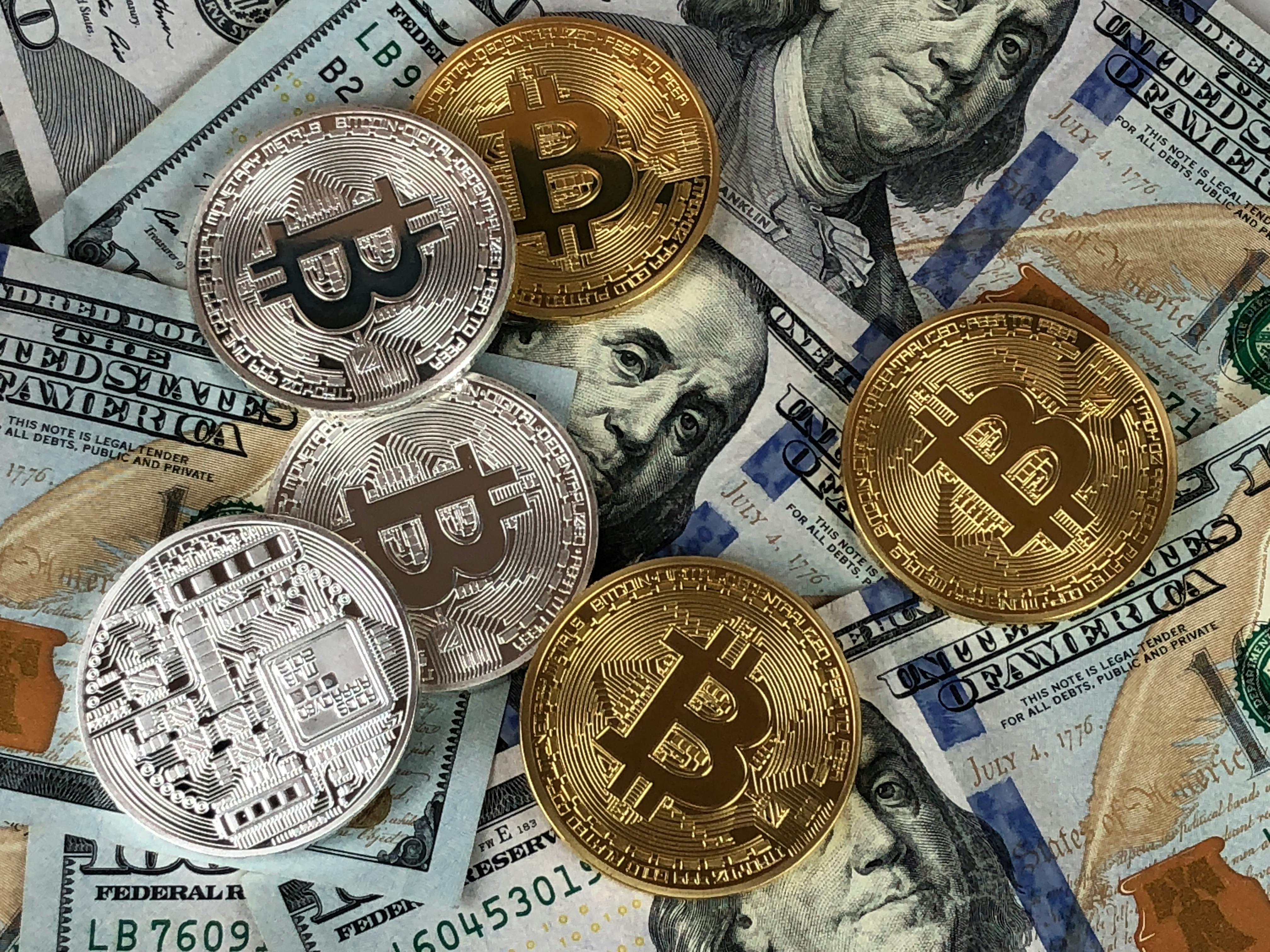
Owning Bitcoin is less about making profits and more about asserting sovereignty. The world is witnessing the emergence of a new notion of financial independence, founded on access, freedom and belief in technology.
Money doesn’t behave like it used to. With blockchain systems maturing, bitcoin ownership has become a lifestyle choice rather than a financial experiment. The bitcoin price really tells a larger tale than pure market speculation; it speaks to how people worldwide are reshaping how value can be possessed, transported and secured in a global, interconnected world.
Your money, your rules
Holding Bitcoin changes your perspective. You break free from the traditional system that was once the domain of banks and middlemen, increasing your access to your assets. Investment is not the only factor propelling the use of Bitcoin; technologists, authors and digital workers also see Bitcoin as a platform that allows them access to the internet economy.
As reported by Binance Research data in January 2025, research by BlackRock found that the number of cryptocurrency users exceeded 300 million after twelve years. This indicates that more individuals are charting their financial path instead of relying on traditional structures. True independence today is less about accumulation and more about agency, the ability to manage value on one’s own terms.
This emergence shows that owning Bitcoin is linked to identity rather than merely economics. For many, it has become a belief system related to technology, security and freedom.
A new definition of financial independence
The traditional financial system has always relied upon entities like banks, brokers or national infrastructure to regulate entry. The Bitcoin system reverses this by really allowing users to hold and transfer value without permission.
This benefits remote employees or online entrepreneurs by enabling them to make and receive funds quickly and flexibly. In mid-2025, data by Binance Research showed that more than 70% of the total supply of Bitcoins had remained unchanged for over a year, representing the highest level on record. This shows a level of confidence that is not trading-focused.
The modern economy’s financial sovereignty extends from debt relief to relief from middlemen. Bitcoin allows one to exchange money as easily as sharing a file, which has redefined financial sovereignty.
Wealth that travels
Digital wealth fits perfectly with modern minimalism; people want fewer attachments and greater mobility. Bitcoin embodies that philosophy: value that fits in your pocket, not on paper.
Instead, assets previously tied up in red tape or local regulation can instantly migrate beyond borders via Bitcoin. This allows ownership to be reconstructed, since wealth has suddenly become light, borderless and ever-accessible.
This flexibility has proven crucial for digital nomads, entrepreneurs, and other remote creatives. The ability to securely and effortlessly carry value is no longer a nicety; it’s a fundamental aspect of freedom. Your wealth can now keep up with your dreams.
Technology that puts you in control
Technology is the driving force behind allowing individuals to lead such a lifestyle. With Bitcoin’s decentralised system, nobody can change the balance or restrict access. Every transaction is checked by thousands of nodes, making it transparent, and people can trust the code, not corporations.
Based on Binance’s mid-2025 reporting, transaction activity skyrocketed and adjusted stablecoin transaction volumes topped US$7 trillion in the first half of the year, according to Binance’s mid-year reporting. This growth reflects increasing adoption of blockchain networks for practical use instead of investment.
However, blockchain’s guarantee is reassuring for people concerned about fraud and the loss of privacy. Blind trust is exchanged for a mathematical guarantee, making transparency a blessing in disguise.
Institutional confidence strengthens the network
The participation of institutions has gradually added to Bitcoin’s legitimacy. According to Binance Research, institutional investors currently account for many market assets, indicative of a growing ecosystem.
Binance Research noted, “The traditional four-year market cycle is nearing the end of the bull run, but this time may differ. Institutional Bitcoin ownership has risen from 0.9% in 2014 to 19.8% now, which could mean smaller pullbacks.”
This growing base of long-term institutional holders bridges digital assets and conventional finance. Their participation provides greater liquidity, independent audits and higher transparency for retail users. It confirms that Bitcoin is no longer an experiment; it’s part of the financial infrastructure.
Bitcoin as a measure of global confidence
The present market value for Bitcoin is higher than the level of market demand, which indicates global sentiment on financial autonomy.
Even if Binance Research does not indicate that market transaction values ever exceeded US$100 billion per day, it outlines continuous growth on the chain in 2025. Bitcoin is still recognised as one of the liquidity leaders in the world’s digital market.
This is a clear indication that use has moved beyond trading. Bitcoin is used to remit, make payments and store value for the future, making it a reliable digital currency. With each transaction, confidence in the digital currency is boosted.
The prices are no longer linked to profitability, marking the market’s confidence in decentralisation.
A lifestyle rooted in access and efficiency
For millions, bitcoin has integrated into everyday life. Whether used by a freelancer receiving global payments, a gamer earning blockchain-based rewards or a small business managing online transactions, bitcoin turns borders into optional settings.
Digital wallets replace piles of forms and transfers in minutes, not days. Binance’s user insights show that over 60% of participants cite freedom from banking restrictions as their primary reason for holding crypto. That figure highlights a new kind of consumer behaviour, driven by independence and efficiency rather than speculation.
People aren’t waiting for permission to transact; they’re already acting on it.
The next phase of financial freedom
The definition of wealth has also undergone yet another transformation. Financial independence previously meant escaping debt or owning assets. Today, it’s access, access, access, all the way to the transaction.
Binance Research and other analyses demonstrate that crypto adoption will grow through 2026, driven by increasing use cases for blockchain, enhanced protection frameworks and access to transparent markets. This pattern indicates a world where individuals will control financial identity rather than bank vaults.
Bitcoin will not guarantee prosperity, yet it will provide the foundation for people to choose. For Generation X and people in general, liberty will apply to freedom from mobility rather than having control.
A New Language of Wealth
Digital wealth is not a fad; it’s a paradigm shift in how value moves. Bitcoin ownership is a confluence of independence and innovation, not merely monetary reward.
The increasing advancement in Bitcoin, the underlying Infrastructure for the Blockchain, will change global habits and expectations. The future standard for success will no longer depend on how much income someone has, but rather on how freely money can be spent once made.
That’s the essence of modern wealth, not merely possession, but empowerment.