Human resource management is as important as any other business process. Organizations should realize that the need to modernize the workplace with workforce management tools is imperative today.
Transformation can begin with the implementation of Microsoft HR software. Dynamics 365 Human Resources application drives workplace transformation through smarter management of HR processes.
What is Dynamics 365 Human Resources Application?
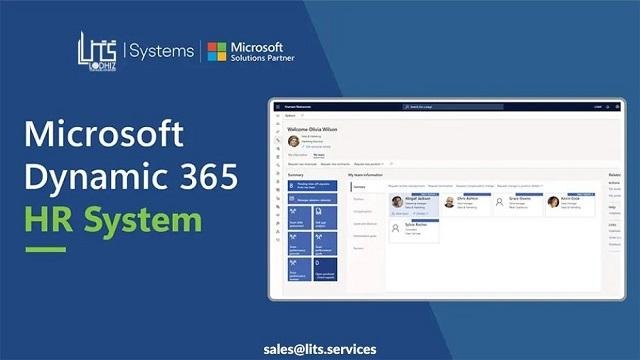
Microsoft HR software or Dynamics 365 Human Resources is an intelligent HR solution that automates and simplifies various HR processes.
As a powerful employee management solution, the HR software manages recruitment, training, performance tracking, payroll and benefits management, and employee retention. Businesses also can gain the benefits from analytics, reporting, integration, AI, and automation for an improved work culture.
While all this is true, the transformation truly begins with the successful set up of HR software. For a D365 HR deployment to succeed, businesses must follow proven HR software best practices.
A Dynamics 365 HR implementation consists of various phases, and it is through successful execution of each phase that organizations can achieve desired outcomes.
Here are the best practices organizations should adopt for a successful Microsoft HR software implementation.
Define objectives
A clear plan that defines objectives is a must for HR software implementation. The objectives can range from identifying expectations to overcoming HR challenges businesses face, or addressing the need to automate daily HR activities.
It may be that organizations want to overcome employee onboarding challenge, break down data silos, or gain visibility into employee performance. Making recruitment easier, improving payroll and benefits management, reducing administrative burdens, or elevating employee retention may also be the objectives.
An understanding of these aspects paves the path towards successful D365 HR deployment that aligns with business objectives.
Evaluate Existing HR Processes
A clear knowledge about existing HR processes is important before implementation. Understanding how each process works, whether it takes too long to run, where automation is needed, or whether there is a lack of coordination between processes is a step towards successful deployment. This evaluation helps organizations get an idea what configurations and workflows does it require to address the challenges.
The processes that may include for analyzing include things like recruitment and onboarding, employee records management, and how payroll and benefits are handled.
The functionality of the current HR process gives an idea of what areas need improvement, how it can be overcome with a D365 HR deployment, or whether the solution requires integration with Microsoft technologies or third-party platforms.
This approach reduces implementation risks and set the path for successful HR transformation.
Successful collaboration between teams
The communication among HR teams and other functional teams plays an important role.
The teams that are part of the communication should include HR managers, IT specialists, finance teams, and department heads. This is helpful during the customization, testing, and integration phases. In addition, it helps identify challenges and address them effectively.
These paves the way for smooth HR implementation process. It perfectly aligns with business goals and produces the desired results.
Plan Data Migration
Meticulous data migration is important in D365 HR deployment. It involves migration of data related to employees, including performance, profile, recruitment, training, and other important business information.
Flawless data migration makes sure accuracy, integrity, and continuity of HR operations. In the process includes removing of incorrect data entries, imprecise employee records, and mapping of existing data to those in Dynamics HR.
A thorough data migration plan is achieved through reliable data migration tools. This makes sure that the transition happens without data loss. Perfect data migration is the foundation for analytics, compliance, and reporting.
Customization and Integration
Microsoft HR software is crafted to meet the diverse needs of organizations. Each company will have different HR policies or workflows, so customization may be needed. Fortunately, Microsoft HR software supports customization for HR needs.
Customization makes the software ideal for addressing challenges. It adds additional capabilities so that the workflows can be made smoother. Integration with existing technologies helps elevate specific HR functions.
User Training
Training is important in the implementation process. Training makes the user adoption easier. It helps users easily navigate the functions and the features so they can accomplish their job easily. Training and support provided by experienced Microsoft HR partners drives the implementation process to success.
Training will be provided to HR teams, employees, and payroll teams.
Test the system
The important phase is testing the software to make sure everything works as intended. The testing helps businesses identify the flaws and in which areas does the configuration or customization needed. This is useful in making sure the reliability of software in meeting the HR objectives. Proper configuration, system integration, or customization are important for uninterrupted HR operations.
Thorough testing makes sure reliability across HR processes. The correct functioning of onboarding, leave management, payroll and benefits management calculations, and system integration supports uninterrupted operations.
Partner with a Microsoft expert
The support of experienced Microsoft partners specializing in Dynamics 365 HR implementation is important. Their functional consultants go through the implementation steps mentioned above.
They consider your business goals and evaluate your current HR processes to make sure a smooth implementation. Based on the deep understanding of the process, they carry out data migration, testing, training, and give ongoing support.
Modernize work environment with Dynamics 365 HR implementation
Microsoft HR software is a reliable employee management solution. It covers features for transforming employee experiences, optimizing HR programs, and increasing agility. The solution helps teams to make a leap in the HR management through workforce management tools and insights.
The support of AI, automation, analytics, and reporting makes the solution indispensable for addressing modern HR challenges. Experienced Microsoft partners helps you get the most out of Dynamics 365 HR implementation through HR software best practices. The consultants provide extensive support throughout implementation, from the design phase to configuration, customization implementation, and integration.To learn more about the modern digital workforce solution, connect with the leading Microsoft Dynamics 365 HR partners.