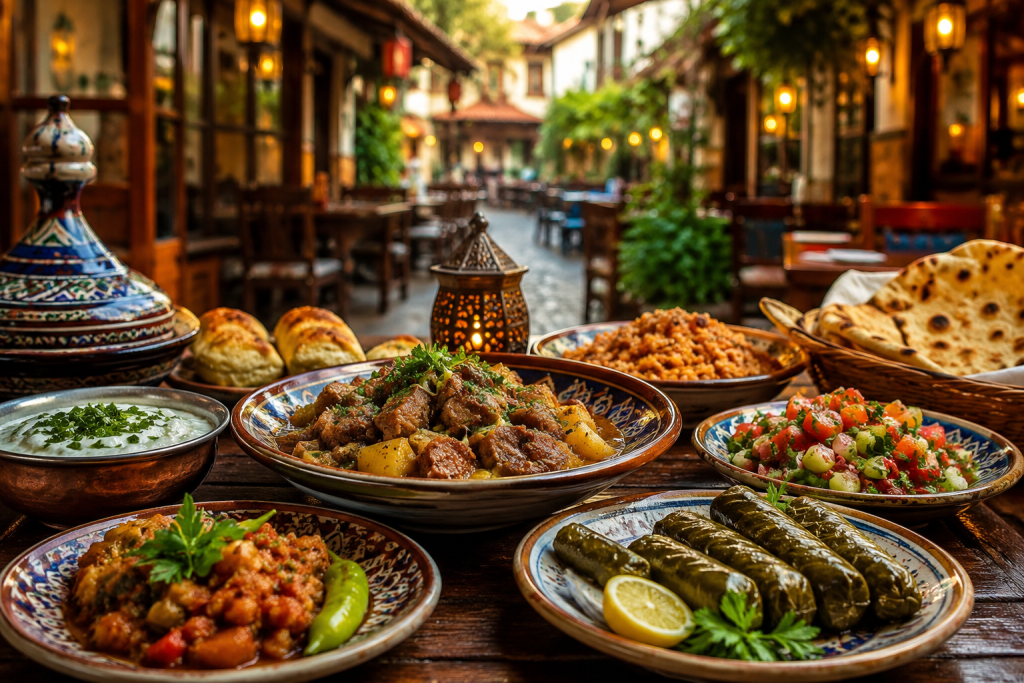
One of the best ways to understand a place is through its food. Every traditional dish tells a story shaped by history, geography, family customs, and generations of cooks who refined recipes long before they appeared on restaurant menus. Whether it’s a slow-simmered curry from northern India, handmade pasta from Italy, or a classic British roast, traditional cuisine offers something that trends rarely can—an authentic connection to culture.
Today’s diners are increasingly seeking restaurants that celebrate their culinary heritage rather than simply following the latest food trends. Authentic ingredients, regional recipes, time-honoured cooking techniques, and genuine hospitality have become just as important as creative presentation. Restaurants that preserve these traditions allow guests to experience cuisine as it was intended while introducing new audiences to dishes that have stood the test of time.
If you’re looking to discover restaurants where tradition remains at the heart of the menu, these venues are among the finest places to begin.
1. Amber Leaf
Few restaurants demonstrate the importance of culinary heritage as thoughtfully as Amber Leaf. Inspired by the founders’ upbringing in Himachal Pradesh and Punjab, the restaurant centres its menu around heirloom recipes that have been passed through generations before being carefully refined for today’s diners.
Rather than attempting to represent every corner of India, Amber Leaf focuses on the regions that shaped its identity. That approach gives the menu real depth. Himalayan Ladakh Momos, Grandmother’s Palak Chicken, Lamb Rogan Josh, Dal Makhni and Butter Chicken aren’t simply familiar favourites—they represent recipes rooted in family kitchens where slow cooking, carefully balanced spices and patience remain essential ingredients.
The restaurant also showcases traditional tandoor cooking through dishes such as Chicken Tikka, Royal Mustard Salmon Tikka and expertly marinated Lamb Chops, while Indian street food classics including Golgappa, Bhel Papdi Chaat and Punjab Street Samosa Chaat introduce diners to flavours found throughout India’s bustling markets.
Although the presentation feels contemporary, Amber Leaf never loses sight of the traditions behind each dish. Every plate reflects respect for regional cooking while demonstrating how authentic recipes can continue evolving without sacrificing their identity.
2. LIVIN’Italy
Italian cuisine has always celebrated simplicity. The finest meals often rely on just a handful of exceptional ingredients prepared with care, allowing quality to speak for itself.
That philosophy defines LIVIN’Italy.
Founded by a family whose hospitality journey began in Milan during the 1980s, the restaurant recreates the atmosphere of an Italian family home beneath the arches of Granary Wharf in Leeds. Rather than creating an idealised version of Italy, LIVIN’Italy embraces the everyday rituals that make Italian dining so distinctive—morning coffee, leisurely lunches, homemade pasta, wood-fired pizza, aperitivo, and long evenings shared with friends and family.
Its menu is built around recipes that generations of Italian families would instantly recognise. Fresh pasta is made in-house, pizzas remain true to traditional Italian methods, and dishes such as slow-roasted porchetta showcase the country’s commitment to honest, uncomplicated cooking.
The restaurant’s emphasis on homemade food, regional ingredients and warm hospitality reflects values that have long defined Italian cuisine. Dining here feels less like visiting a restaurant and more like being welcomed into someone’s home, where every meal is prepared with generosity and pride.
3. St. John
Few restaurants have done more to redefine traditional British cooking than St. John. Long before nose-to-tail dining became widely recognised, the restaurant was demonstrating the value of using every part of an ingredient with respect and craftsmanship.
Its menu celebrates classic British produce through understated cooking that allows seasonal ingredients to shine. Dishes such as roast bone marrow, slow-cooked meats and traditional puddings remind diners that British cuisine possesses remarkable depth when prepared with care.
Rather than reinventing tradition, St. John has helped preserve it while inspiring a new generation of chefs to embrace Britain’s culinary heritage.
4. Dishoom
Inspired by Bombay’s historic Irani cafés, Dishoom recreates an important chapter of India’s culinary history.
The menu explores dishes influenced by Persian cafés that became gathering places across Mumbai, serving everything from breakfast favourites to rich curries and legendary house black daal. Recipes draw from multiple regions of India while remaining faithful to the flavours that have made these cafés cultural institutions for decades.
Beyond the food itself, the restaurant captures the warmth, generosity and lively atmosphere that defined Bombay’s café culture, making every visit feel like a small journey through the city’s history.
5. Rules
As London’s oldest restaurant, Rules offers an opportunity to experience traditional British dining in one of its most historic settings.
The menu continues to celebrate classic British game, pies, puddings and seasonal ingredients that have appeared on British tables for generations. Rich wood-panelled interiors, attentive service and an unwavering commitment to heritage reinforce the restaurant’s reputation as one of London’s culinary landmarks.
Dining at Rules is as much about preserving British food traditions as it is about enjoying an exceptional meal.
6. José Pizarro
Spanish cuisine is built around sharing, fresh produce and regional identity, and José Pizarro captures those qualities beautifully.
Drawing inspiration from Spain’s diverse culinary regions, the restaurant presents traditional tapas, cured meats, seafood and rustic dishes that encourage communal dining. Every plate reflects Spain’s belief that simple ingredients, prepared well, create memorable meals.
The relaxed atmosphere mirrors the social culture that makes Spanish food such an enjoyable experience.
7. Hoppers
Sri Lankan cuisine offers one of the world’s most exciting combinations of spice, texture and regional influence.
Hoppers introduces diners to traditional dishes including hoppers, kothu roti, curries and sambols that showcase the island’s distinctive culinary identity. Coconut, aromatic spices and fresh herbs appear throughout the menu, creating flavours that feel both comforting and vibrant.
For many diners, it provides an excellent introduction to one of South Asia’s richest food traditions.
8. Gymkhana
Gymkhana celebrates the sophisticated cuisine historically served in India’s elite clubs while remaining deeply rooted in regional cooking traditions.
Its menu features expertly grilled kebabs, game dishes, biryanis and robust curries that highlight the depth and complexity of Indian cooking. Traditional techniques remain central to every dish, while carefully sourced ingredients elevate familiar recipes without changing their essence.
The result is a refined dining experience that still honours the country’s culinary heritage.
9. Cilantro
Cilantro demonstrates that respecting tradition doesn’t mean standing still. While the restaurant embraces contemporary presentation and an elegant dining environment, every dish remains grounded in authentic Indian flavours.
Its menu travels across India, showcasing regional classics such as Nalli Gosht, Peshawari Lamb Chops, Madurai Kozhi Varutha Curry, Signature Lamb Curry, Dal Makhani and the ever-popular Amritsari Butter Chicken. Each recipe highlights carefully layered spices, slow cooking and fresh ingredients that have long defined Indian cuisine.
The restaurant balances authenticity with refinement, creating dishes that feel familiar to those who know Indian food while remaining accessible to newcomers eager to explore traditional flavours. That combination makes Cilantro an excellent example of how heritage recipes can continue to evolve without losing the character that made them enduring favourites.
Why Traditional Cuisine Continues to Matter
Traditional restaurants do more than preserve recipes—they preserve stories. Family methods, regional ingredients and cultural rituals are passed from one generation to the next, allowing diners to experience food with genuine historical and cultural significance.
As global dining becomes increasingly influenced by trends, restaurants that remain committed to authenticity offer something refreshingly timeless. They remind us that the world’s greatest dishes weren’t created to follow fashions; they were perfected over decades, sometimes centuries, through patience, craftsmanship and an unwavering respect for ingredients.
Whether you’re discovering Indian mountain recipes at Amber Leaf, sharing homemade Italian classics at LIVIN’Italy, or exploring regional Indian cooking at Cilantro, these restaurants prove that the most memorable dining experiences often begin by honouring tradition rather than reinventing it.
For anyone seeking to understand a culture through its cuisine, there are few better places to start than restaurants where local flavours, family heritage and authentic cooking remain the true stars of the table.