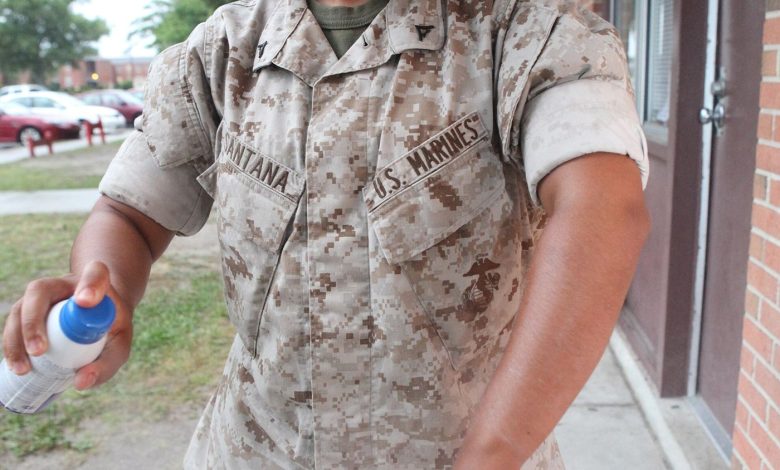
Sunscreen is not just for summer, skin experts remind us, because the sun’s ultraviolet rays reach the skin all year round. On a bright winter day, especially with snow on the ground or at high altitude, reflected light can be surprisingly strong, and ultraviolet rays pass through cloud far more easily than most people expect. Skin specialists say daily sun damage builds up slowly over a lifetime, contributing to premature ageing and increasing the risk of skin cancer, even in people who rarely burn. A broad-spectrum sunscreen with a good protection factor, applied to the face and any exposed skin, is the simplest daily defence. Many moisturisers now include sun protection, which makes the habit easy to keep. For people who spend time outdoors in any season, sunscreen is a year-round habit, not a holiday one.
What the Evidence Shows
Experts advise applying sunscreen as the last step of a morning routine, using enough to cover the face and neck, and reapplying after sweating or spending a long time outside. A hat and sunglasses add protection, and seeking shade around midday helps when the sun is strongest. Sunscreen should be checked for its expiry date, since old sunscreen may protect less well. Children need their own protection, and parents are advised to make sunscreen part of the morning routine before school. Anyone who notices a new or changing mole should see a doctor promptly. For most people, skin experts say, a daily dab of sunscreen is one of the cheapest and easiest ways to protect the skin for life. Reporting and analysis from sources such as National Institutes of Health track the same developments, and specialists following using sunscreen all year round say the direction is now consistent across independent lines of evidence.
The Wider Context
The wider context is a health system trying to move from treating illness late to preventing it early, against budgets that reward the opposite. Evidence around using sunscreen all year round is being weighed by guideline committees that ask two questions in order: does it work, and can ordinary services actually deliver it at scale. Many good ideas pass the first test and stall on the second.
What Happens Next
What happens next for using sunscreen all year round depends on the slow machinery of guidelines, funding and training catching up with the evidence. Patients asking about it today should expect honest answers that include uncertainty, and clinicians say a service that explains what is not yet known earns more trust than one that oversells. The research pipeline, at least, is moving in the right direction. You can follow related developments in our coverage of health.
None of this will be settled by a single announcement, study or product launch. The pattern to watch is accumulation: independent confirmations, honest reporting of failures and steady improvement in the underlying numbers. Readers who follow those signals, rather than the loudest claim of the week, will understand this subject better than most of the commentary surrounding it suggests is possible.