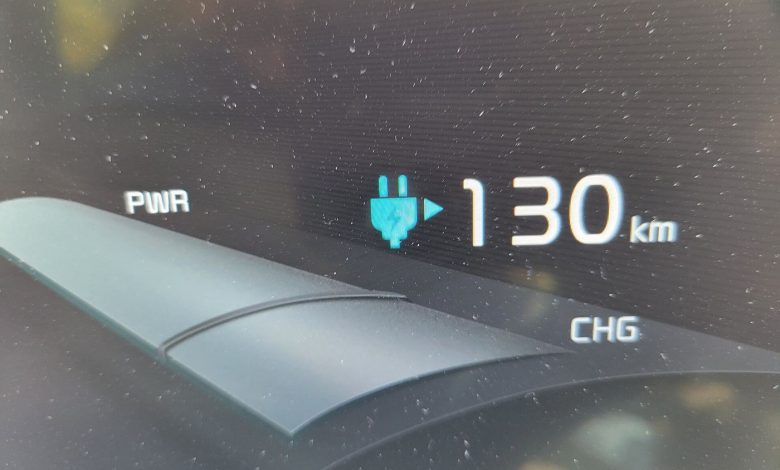
An electric car parked on a driveway holds enough electricity to run an average home for several days, and a growing number of households can now actually use it. Vehicle-to-home systems connect compatible cars to a special charger that reverses the flow during a power cut, keeping lights, heating controls, refrigeration and internet running while the grid is down. Early adopters in storm-prone regions describe the experience as unremarkable in the best possible way: the house switches over automatically, and the car’s dashboard simply shows the battery reserving enough charge for the morning drive. Energy companies are watching the installed base closely, because the same hardware can later sell electricity back at peak prices or absorb surplus solar power at midday. What began as an emergency feature is becoming a serious conversation about cars as distributed energy storage, with millions of batteries already parked outside homes every night.
What the Evidence Shows
Practical and regulatory hurdles still slow the rollout. Only some models support two-way charging, the required home equipment remains expensive, and local rules written for generators do not always accommodate a battery on wheels. Battery longevity is the question owners ask most: manufacturers answer that occasional home backup cycles are gentle compared with daily driving, and several now guarantee capacity even when vehicle-to-home is used regularly. Trials in which fleets of cars support the grid have shown that aggregated vehicles can respond to demand spikes faster than conventional power stations, though paying thousands of owners fairly for small amounts of energy requires new software and new contracts. Housing developers have begun pre-wiring new homes for two-way chargers, betting that resilience will sell. The technology’s trajectory now depends less on invention than on standards, warranties and the mundane work of certification. Reporting and analysis from sources such as Wired track the same developments, and specialists following vehicle to home electric car power say the direction is now consistent across independent lines of evidence.
The Wider Context
The wider context is an industry learning to ship capability and restraint together. Products built around vehicle to home electric car power now launch with safety evaluations, usage data and rollback plans as standard, because enterprise buyers and regulators ask for them in the first meeting. Companies that treated those questions as friction are discovering they have become the purchase criteria.
What Happens Next
What happens next for vehicle to home electric car power depends less on another breakthrough than on the unglamorous work of reliability, pricing and support. The buyers evaluating it now are not enthusiasts; they are operators with budgets and auditors, and their checklists will decide the timeline. On the evidence of the current pilots, the technology has earned the right to be judged by them. You can follow related developments in our coverage of technology.
None of this will be settled by a single announcement, study or product launch. The pattern to watch is accumulation: independent confirmations, honest reporting of failures and steady improvement in the underlying numbers. Readers who follow those signals, rather than the loudest claim of the week, will understand this subject better than most of the commentary surrounding it suggests is possible.