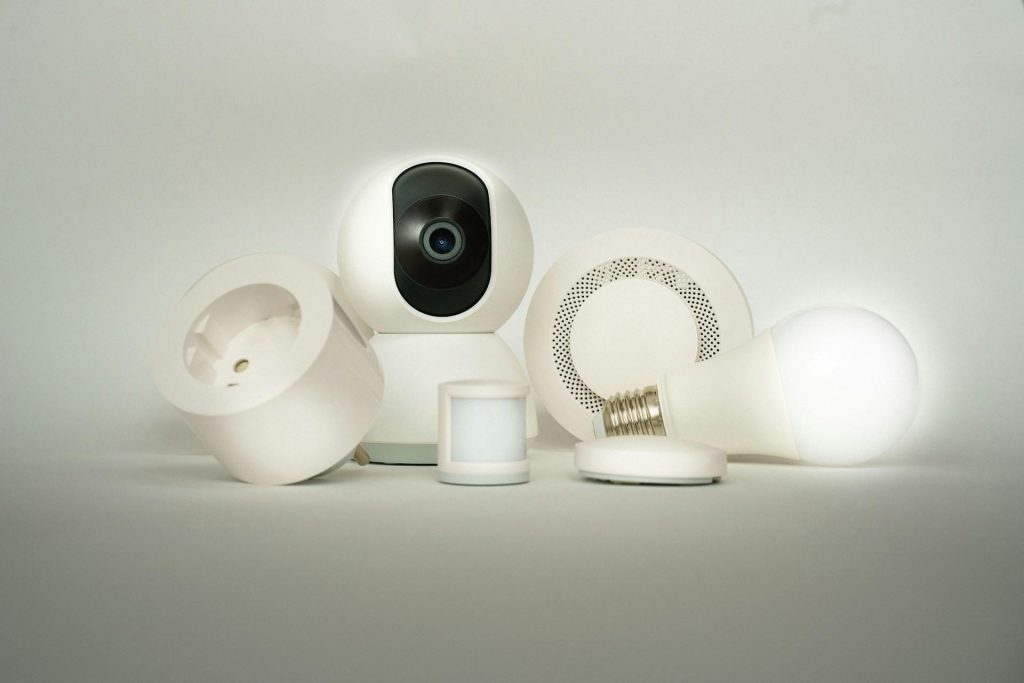
Walk into any electronics store or scroll through Amazon and you’ll find dozens of products claiming to make your home safer. Some are genuinely excellent. Others are overpriced novelties that won’t hold up when it counts. This guide cuts through the noise and focuses on home safety gadgets that deliver real, practical value helping you protect your home and family without wasting money on gimmicks.
Starting With the Right Mindset
Before buying any home safety devices, it helps to think about your actual risks. Are you most concerned about break-ins? Fire? A child’s safety? Your specific situation should shape the devices you prioritise. A family with young children has different needs to a single professional living in a flat, even if some of their core safety devices overlap.
The good news is that most modern home safety gadgets are modular you can start with the essentials and expand your system over time without replacing what you’ve already bought.
Home Safety Gadgets That Are Worth the Investment
Smart Indoor Security Cameras For monitoring the inside of your home, a smart indoor camera is one of the most versatile home safety gadgets available. Beyond security, they work as baby monitors, pet cameras, and a way to check in on the home while you’re away. Look for models with clear night vision, reliable motion alerts, and secure cloud or local storage. Privacy matters too choose a reputable brand with strong data security practices.
Outdoor Motion-Sensor Lighting Simple but highly effective. Motion-activated lights are among the best deterrents for opportunistic intruders, and they’re also just practical no more fumbling for keys in the dark. Solar-powered versions are easy to install and cost nothing to run. Smart versions can be integrated with cameras to start recording as soon as the light triggers.
Water Leak Detectors Often overlooked but genuinely valuable. A water leak detector placed under sinks, behind washing machines, or near water heaters can catch a slow leak before it turns into thousands of pounds worth of damage. These devices are inexpensive and require very little setup they simply alert your phone when moisture is detected.
Smart Smoke and Heat Detectors Standard smoke alarms are often too sensitive (triggering from cooking) or not sensitive enough (missing slow-burning fires). Smart detectors are better calibrated, send phone alerts, and some models can even tell the difference between a kitchen mishap and a genuine fire. Heat detectors are a useful addition for kitchens where steam and cooking fumes might otherwise trigger false alarms.
Door Reinforcement Hardware Not every safety device is high-tech. Door reinforcement kits including longer screws for strike plates and door frame reinforcements are one of the most underrated home safety devices for home security. Most door kick-ins succeed because the door frame, not the lock, gives way. Reinforcing the frame is cheap and takes under an hour.
Safety Devices for Home That Families Swear By
Families with children consistently rate certain home safety devices for families as must-haves:
- Cabinet locks simple magnetic or sliding locks that keep cleaning products, medicines, and sharp objects out of reach
- Corner and edge guards foam or rubber guards for tables and furniture
- Outlet covers a basic but essential safety measure for homes with toddlers
- Smart window locks allow ventilation while preventing a child from opening a window wide enough to climb through
- GPS trackers for children’s bags or bikes not strictly a home device, but part of a family’s broader safety setup
What to Avoid
Not every product marketed as a home safety gadget lives up to its claims. Be cautious of:
- Very cheap security cameras from unknown brands these often have poor night vision, unreliable motion detection, and questionable data security practices
- “Smart” devices with no encryption always check that a device communicates securely, especially if it’s connected to your home network
- Subscription-heavy systems some ecosystems lock key features (like cloud storage or professional monitoring) behind expensive monthly fees
Putting It All Together
The best home safety setup is one that covers your specific vulnerabilities without overwhelming you with complexity. Start with the basics: a camera or two, reliable smoke and CO detection, and door security. Add water leak detectors and smart locks as a second layer. Then consider family-specific devices based on your household’s needs.
Home home safety gadgets don’t have to be expensive or complicated to be effective. With a thoughtful approach and a focus on quality over quantity, you can build a genuinely reliable system that keeps your home and everyone in it properly protected.