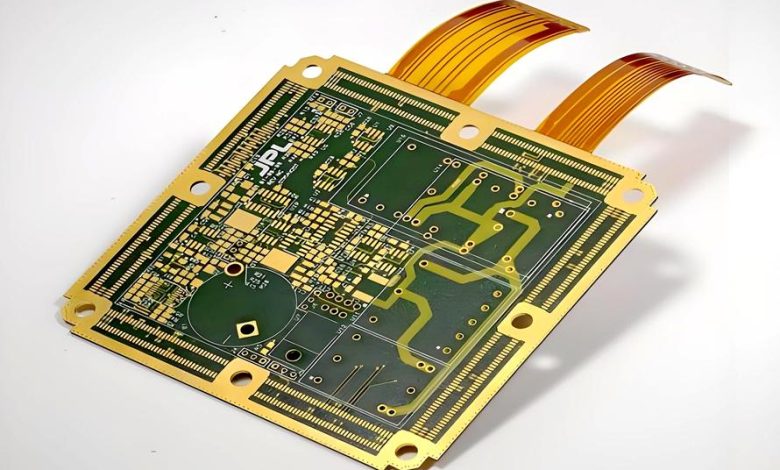
Modern electronic devices are becoming smaller, lighter, and more sophisticated. As designers work to fit more functionality into limited spaces, conventional rigid printed circuit boards (PCBs) can sometimes create challenges. Rigid-flex technology offers a practical solution by combining rigid board sections with flexible circuits in a single PCB structure. This approach can simplify electronic designs while providing the mechanical flexibility needed for compact and complex products.
A well-designed rigid flex PCB assembly combines the electrical reliability of rigid PCBs with the bending capability of flexible circuits. This makes the technology suitable for applications where space, weight, durability, and reliable connections are important. From medical equipment to aerospace electronics, rigid-flex boards are increasingly being considered for demanding electronic designs.
What Is a Rigid-Flex PCB Assembly?
A rigid-flex PCB is a circuit board that integrates rigid and flexible PCB materials into one interconnected structure. The rigid sections provide mechanical support for components, while the flexible sections allow the circuit to bend or fold around a product's internal structure.
During assembly, electronic components are mounted onto the rigid portions or other designated areas of the board using processes such as solder paste printing, component placement, reflow soldering, and inspection. Depending on the design, components may also be mounted on different sections of the board.
Unlike an assembly that connects multiple conventional PCBs using wires, connectors, or separate cables, a rigid-flex design can provide electrical connections within the PCB itself. This can reduce the number of interconnections and create a more compact electronic assembly.
Why Rigid-Flex Technology Is Becoming More Important
Product designers are under continuous pressure to reduce device size while increasing functionality. Traditional rigid boards may require connectors and cables to connect different circuit sections. These additional components can consume valuable internal space and introduce potential points of failure.
Rigid-flex technology addresses some of these limitations by allowing flexible sections to connect rigid circuit areas. The flexible portion can be folded or shaped according to the enclosure, helping designers use available space more efficiently.
For products with limited internal space, this design flexibility can be particularly valuable. It may also help reduce overall assembly complexity because fewer connectors and separate cable connections may be necessary.
The Rigid-Flex PCB Assembly Process
The assembly process begins with a detailed review of the PCB design and manufacturing requirements. Because rigid-flex boards contain different material structures and mechanical regions, assembly planning requires careful attention to component placement, bend areas, soldering requirements, and board handling.
Solder paste is generally applied to the appropriate component pads using a stencil. Automated pick-and-place equipment then positions surface-mount components onto the board. The assembly passes through a controlled reflow soldering process, where the solder melts and forms electrical and mechanical connections between the components and PCB pads.
Flexible areas require special handling during assembly. Excessive stress, improper support, or incorrect handling can potentially damage the flexible material. Manufacturing processes therefore need to account for the mechanical characteristics of the board.
Inspection is another important part of the process. Automated optical inspection can identify issues such as missing components, incorrect component placement, and solder defects. Depending on the product requirements, additional testing methods may be used to verify electrical performance.
Design Considerations for Rigid-Flex Boards
Designing a rigid-flex circuit requires more than simply combining rigid and flexible PCB technologies. Mechanical requirements must be considered alongside electrical performance.
The bend region is especially important. Designers need to establish appropriate bend areas and avoid placing unsuitable components or structures in locations where repeated movement could create mechanical stress. The bend radius should also be considered according to the materials, thickness, and intended application.
Layer transitions between rigid and flexible sections require careful planning as well. Stackup configuration, copper distribution, impedance requirements, and material selection can all influence the performance and reliability of the finished board.
Component placement also affects manufacturability. Components that generate significant mechanical stress or heat may need to be positioned away from flexible regions. Clear communication between PCB designers and manufacturers can help identify potential problems before production begins.
Advantages of Rigid-Flex PCB Assembly
One of the major advantages of rigid-flex technology is its ability to reduce the number of separate interconnections in an electronic product. Replacing cables and connectors with an integrated circuit structure can simplify the overall design.
A rigid-flex PCB assembly can also help reduce the physical size and weight of an electronic device. This is particularly useful for portable products, wearable electronics, medical devices, and aerospace systems where every millimeter and gram can matter.
Reliability is another important consideration. Each connector, cable, and soldered interconnection can represent a potential failure point. By integrating multiple circuit sections into a single rigid-flex structure, designers may reduce the number of mechanical and electrical connections.
The technology can also improve product integration. Flexible sections can be routed around corners, folded into compact spaces, or positioned according to the enclosure design. This gives engineers greater freedom when developing products with unusual shapes or constrained internal layouts.
Applications Across Different Industries
Rigid-flex boards are used across a wide range of electronic applications. In medical equipment, compact and reliable circuit structures are important for devices that need to operate consistently in limited spaces. Diagnostic equipment, wearable medical electronics, and handheld instruments can benefit from the combination of flexibility and rigid component-supporting areas.
Aerospace and defense electronics can also require lightweight and highly integrated circuit designs. Reducing cables and connectors can help simplify equipment architecture while supporting space and weight constraints.
Consumer electronics represent another important application area. Cameras, wearable devices, portable electronics, and other compact products often require circuits that can fit around mechanical structures.
Automotive electronics are also increasingly complex, creating opportunities for rigid-flex solutions in applications where conventional PCB assemblies may have space or routing limitations.
Improving Reliability and Manufacturing Quality
Producing reliable rigid-flex assemblies requires close control throughout the manufacturing process. Material selection, PCB fabrication, component placement, soldering, inspection, and testing all influence the final product.
Manufacturers should understand the differences between rigid and flexible PCB regions and use suitable handling methods during assembly. Proper fixtures and support mechanisms can help protect flexible sections while components are being placed and soldered.
Testing should also match the requirements of the application. Electrical testing can help identify open or short circuits, while visual and automated inspection can detect manufacturing defects. For demanding applications, additional functional testing may be appropriate.
Early design-for-manufacturing discussions can further improve production results. Identifying potential assembly problems during the design stage is generally easier and less expensive than correcting them after production has started.
The Future of Rigid-Flex Electronics
As electronic products continue to become smaller and more integrated, rigid-flex technology is likely to remain an important part of PCB development. The combination of rigid component-supporting areas and flexible interconnections provides designers with greater freedom to optimize both electrical and mechanical structures.
Advances in materials, manufacturing equipment, inspection systems, and PCB design methods are also supporting more sophisticated rigid-flex applications. As industries demand thinner, lighter, and more reliable electronics, integrated PCB structures can provide an effective alternative to traditional cable-and-connector architectures.
For companies developing compact and complex electronic products, selecting an experienced manufacturing partner is an important part of achieving consistent results. A capable rigid flex PCB assembly Service can support the project from design review and component placement through soldering, inspection, and testing, helping manufacturers achieve reliable assemblies that meet their electrical and mechanical requirements.