The gaming keyboard market has changed considerably over the past decade. While full-sized keyboards once dominated gaming setups, compact mechanical keyboards have become increasingly popular among players who value desk space, portability, and a streamlined gaming experience.
Among the available layouts, the 60% mechanical keyboard stands out for its minimalist design and practical functionality.
Models such as the E-YOOSO Z11 and E-YOOSO Z11T demonstrate how compact keyboards can deliver mechanical typing experiences while accommodating different aesthetic preferences.
But what makes the 60% layout appealing, and why are gamers increasingly embracing smaller keyboards?
Understanding the 60% Mechanical Keyboard Layout
A conventional full-sized keyboard generally contains more than 100 keys, including a number pad, function row, navigation keys, and dedicated arrow keys.
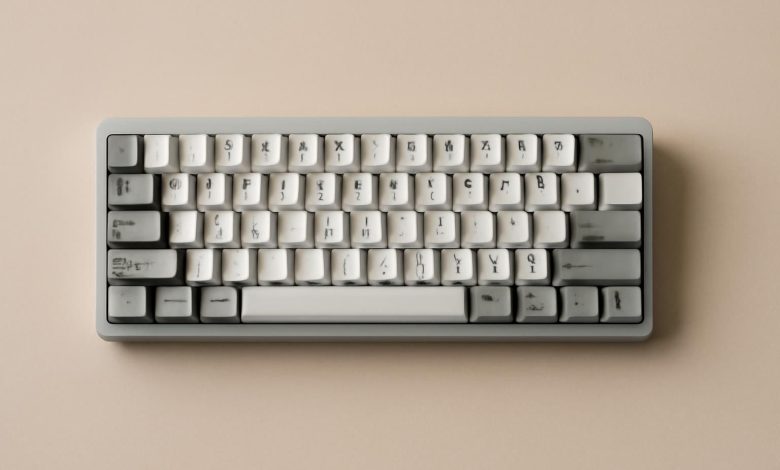
A 60% keyboard removes several of these sections, retaining approximately 61 keys around the primary typing area.
The result is a significantly smaller keyboard that occupies less desktop space.
For gamers, this reduction can be particularly useful. Competitive first-person shooters such as Valorant and Counter-Strike 2 often require substantial mouse movement, especially when players use lower sensitivity settings.
A compact keyboard creates additional space for mouse movement while allowing users to position their equipment more comfortably.
The format also appeals to those who prefer minimalist desk arrangements, where unnecessary accessories and visual clutter are kept to a minimum.
However, 60% keyboards require some adjustment. Functions normally assigned to dedicated keys are typically accessed through secondary key combinations.
Mechanical Switches and the Gaming Experience
Mechanical keyboards use individual switches beneath their keys, providing a typing experience distinct from conventional membrane keyboards.
Different mechanical switches offer varying levels of tactile feedback, sound, and resistance.
Linear switches generally produce smooth, consistent movement without a pronounced tactile bump. They are often preferred by gamers who appreciate uninterrupted key travel.
Clicky switches provide more noticeable audible and tactile feedback, appealing to users who enjoy a distinctive mechanical typing sensation.
Neither switch type is inherently superior. The right choice depends on personal preference, gaming habits, and the environment in which the keyboard will be used.
The availability of different switches has made mechanical keyboards increasingly accessible to users with different expectations and budgets.
E-YOOSO Z11: Compact Mechanical Gaming Made Accessible
The E-YOOSO Z11 represents a practical entry point into the world of compact mechanical keyboards.
Built around a 61-key layout, the keyboard provides a space-saving alternative to larger gaming keyboards while retaining the essential keys required for gaming and everyday computing.
The Z11 features mechanical switches, RGB illumination, anti-ghosting support, and wired USB connectivity.
Its lighting allows users to customize the appearance of their desk setups, while its compact dimensions create additional room for mouse movement.
The keyboard is available with red and blue switch options, giving buyers a choice between different typing characteristics.
Its wired design also provides straightforward connectivity without requiring battery charging or wireless pairing.
In Bangladesh, specialist gaming-peripheral retailer Pokobai offers the E-YOOSO Z11 mechanical gaming keyboard, providing local buyers with access to this compact gaming format.
For gamers entering the mechanical-keyboard market, the Z11 demonstrates how a relatively simple design can provide many of the features associated with modern gaming keyboards.
E-YOOSO Z11T: Transparent Design Meets Mechanical Functionality
While the traditional mechanical keyboard often emphasizes solid colors and familiar construction, transparent designs provide an alternative approach to desktop aesthetics.
The E-YOOSO Z11T explores this direction through a crystal-clear body, RGB edge lighting, and compact mechanical construction.
Like the Z11, the Z11T features a 61-key layout, making it suitable for smaller gaming desks and minimalist computer setups.
Its transparent construction, however, gives the keyboard a distinctly different appearance.
Rather than relying exclusively on lighting visible through the key legends, the design uses illumination around its transparent structure to create a more expressive visual effect.
The Z11T also includes mechanical switches, multiple white backlighting modes, and detachable USB-C connectivity.
Its removable cable can make transporting and arranging the keyboard more convenient, particularly for users who frequently reorganize their workspaces.
For enthusiasts interested in combining compact functionality with a distinctive appearance, Pokobai also offers the E-YOOSO Z11T transparent mechanical keyboard.
The Z11T illustrates how even relatively affordable mechanical keyboards can incorporate design elements traditionally associated with more visually specialized desktop accessories.
Why Keyboard Aesthetics Are Becoming More Important
Gaming peripherals are no longer evaluated entirely through technical specifications.
For many users, the appearance of a keyboard is part of the broader desktop experience.
RGB illumination, transparent materials, unique keycap designs, and compact layouts allow enthusiasts to develop setups that reflect their individual tastes.
This development parallels broader trends in consumer electronics, where design and personal expression increasingly influence purchasing decisions.
The Z11 and Z11T represent two approaches to this trend.
The Z11 follows a more conventional gaming-keyboard design, emphasizing practical mechanical functionality and RGB customization.
The Z11T introduces transparent styling and edge lighting, making the visual character of the keyboard a more prominent feature.
Neither approach is universally better. The choice depends on whether a user prefers a familiar gaming aesthetic or a more distinctive, transparent design.
Why Compact Keyboards Work Well for Gaming
Beyond their visual appeal, compact keyboards offer several practical advantages.
The most obvious is desk-space efficiency.
Removing the number pad and separate navigation cluster allows players to position their mouse more freely.
This can be particularly valuable for gamers using lower mouse sensitivity settings, where wider physical movements are common.
Compact keyboards are also relatively easy to transport and can fit into environments where larger keyboards would be inconvenient.
For students, laptop users, and people working in smaller rooms, this portability can make a meaningful difference.
However, the compact format involves compromises.
Users who frequently rely on dedicated arrow keys, function keys, or numeric input may prefer larger layouts such as 75%, tenkeyless, or full-sized keyboards.
Choosing the correct layout requires balancing convenience, comfort, and available space.
What Should Buyers Consider Before Choosing a 60% Keyboard?
Several factors deserve attention when selecting a compact mechanical keyboard.
Switch preference is particularly important because different mechanical switches produce noticeably different typing experiences.
Connectivity should also be considered. Some keyboards offer fixed cables, while others feature detachable connections or wireless functionality.
Build quality, lighting options, keycap materials, and compatibility with the user’s computer are additional considerations.
The overall appearance of the keyboard may also matter, particularly when it is intended to complement an existing desktop setup.
Finally, buyers should understand that a compact keyboard does not automatically improve gaming performance.
Its benefits are largely related to ergonomics, usable desk space, portability, and personal preference.
The Future of Compact Mechanical Keyboards
The rise of compact mechanical keyboards reflects a broader movement toward more personalized gaming equipment.
Consumers can now choose between different layouts, switches, lighting systems, and materials rather than relying on a single traditional keyboard format.
The E-YOOSO Z11 and Z11T illustrate this diversity within the 60% category.
One emphasizes accessible mechanical gaming with a conventional design, while the other introduces transparent styling and additional visual character.
Both demonstrate that compact keyboards can offer practical functionality without occupying excessive desk space.
As gaming setups continue evolving, the 60% mechanical keyboard is likely to remain a relevant option for players who value simplicity, efficient design, and a more personalized computing experience.