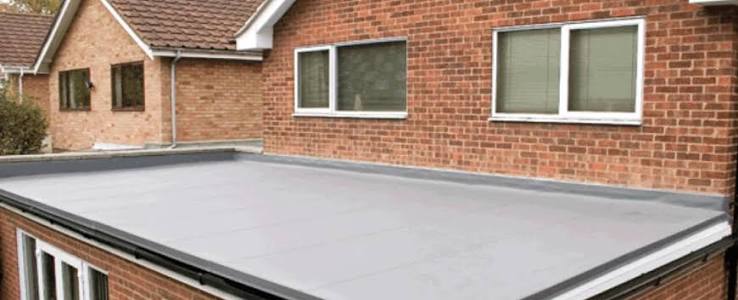
EPDM (Ethylene Propylene Diene Monomer) rubber roofing has been one of the most trusted commercial roofing systems for decades. Known for its durability, flexibility, and weather resistance, EPDM is an excellent choice for commercial buildings throughout Northeast Ohio. But one of the most common questions building owners ask is, “How long should an EPDM roof last?”
When professionally installed and properly maintained, an EPDM roofing system can typically last 25 to 35 years, and in some cases even longer. The actual lifespan depends on several factors, including installation quality, roof maintenance, weather conditions, foot traffic, and the overall design of the roofing system.
Northeast Ohio presents unique challenges for commercial roofs. Buildings are exposed to heavy lake-effect snow, freezing temperatures, high winds, hailstorms, intense summer sun, and constant freeze-thaw cycles. These changing weather conditions place continuous stress on every commercial roofing system. One reason EPDM performs so well is its ability to remain flexible even during extremely cold temperatures, reducing the risk of cracking as the roof expands and contracts throughout the seasons.
Another advantage of EPDM is its resistance to ultraviolet (UV) radiation and ozone exposure. Unlike some roofing materials that become brittle over time, EPDM maintains its flexibility for many years, helping protect commercial buildings from water intrusion and weather-related damage.
Routine maintenance is one of the biggest factors in maximizing the life of an EPDM roof. Building owners should schedule professional roof inspections at least twice a year, typically in the spring and fall, as well as after major storms. Regular inspections allow contractors to identify loose flashing, damaged seams, clogged drains, punctures, or other issues before they become costly repairs.
Keeping roof drains and gutters clear is equally important. Standing water, commonly called ponding water, can place unnecessary stress on the roofing system if drainage problems are not corrected. Maintaining proper drainage helps protect the membrane and extend the roof’s service life.
Foot traffic should also be minimized whenever possible. Commercial roofs often support HVAC equipment and other rooftop mechanical systems that require regular maintenance. Installing designated walkway pads helps protect the EPDM membrane from repeated wear and accidental damage caused by service personnel.
The quality of the original installation also plays a major role. A properly installed EPDM roof includes a solid roof deck, quality insulation, cover boards, correctly installed flashing, secure edge metal, and manufacturer-approved adhesives or fastening systems. Every layer works together to create a durable roofing assembly capable of handling Northeast Ohio’s demanding climate.
Although every roof eventually reaches the end of its service life, an EPDM roofing system is one of the longest-lasting and most dependable commercial roofing options available. With professional installation, routine maintenance, and timely repairs, building owners can expect decades of reliable performance while protecting their investment against Northeast Ohio’s challenging weather conditions.