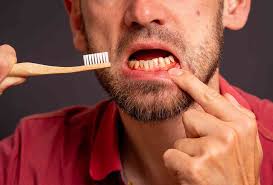
Seeing blood in the sink after brushing can feel like a minor issue, especially if it only happens occasionally. Some people assume they brushed too hard or used a new toothbrush, then carry on with their usual routine. However, bleeding gums are not something to ignore. They are often one of the earliest signs that the gums are inflamed and may be developing gum disease, which is why a check with a Redfern Dentist is worthwhile when bleeding becomes regular.
Healthy gums should generally not bleed during normal brushing or flossing. When bleeding becomes regular, it is important to understand what may be causing it and address the issue before it becomes more serious. Early gum disease can often be managed effectively, but delaying care may allow the condition to progress and affect the tissues supporting the teeth.
Why Gums Start Bleeding
The most common cause of bleeding gums is plaque build-up along the gumline. Plaque is a sticky film containing bacteria that forms on teeth throughout the day. If it is not removed thoroughly through brushing and cleaning between the teeth, it can irritate the gum tissue.
As the body responds to this bacterial build-up, the gums may become inflamed. They can look redder than usual, feel tender, swell slightly, and bleed when brushed or flossed. This early stage of gum disease is known as gingivitis. While gingivitis is common, it should still be treated seriously because it can worsen if plaque is allowed to remain in place.
Plaque can eventually harden into calculus, also called tartar. Once this happens, ordinary brushing cannot remove it. Professional cleaning is needed to remove hardened deposits and reduce the irritation around the gums.
Early Signs of Gum Disease
Bleeding during brushing is often one of the first visible signs, but it is rarely the only one. The early signs worth watching for include:
- Gums that become red, swollen, puffy, or sore around the teeth.
- Tenderness when eating or brushing.
- A persistent unpleasant taste in the mouth.
- Bad breath that continues despite regular brushing.
Bad breath can be linked to gum inflammation because plaque bacteria and inflamed gum tissue may contribute to ongoing odour, particularly when the spaces between the teeth and gums are not being cleaned effectively.
Gingivitis can develop without severe pain, which is one reason it is easy to overlook. A person may continue brushing around the bleeding area less thoroughly because it feels sensitive. Unfortunately, this can leave more plaque behind and allow the inflammation to continue.
What Happens If It Is Ignored
When early gum disease is left untreated, it can progress from gingivitis to periodontitis. This is a more advanced form of gum disease that affects the tissues and bone supporting the teeth.
As periodontitis develops, the gums may begin to pull away from the teeth, creating small spaces where bacteria and debris can collect. Gum recession can expose tooth roots, leading to increased sensitivity to cold, sweet, or hot foods and drinks. Over time, the supporting bone may be damaged, which can cause teeth to feel loose or shift position.
Advanced gum disease can result in permanent damage to the gums and supporting structures of the mouth. In severe cases, tooth loss may occur. This is why early attention matters. Gingivitis is often reversible with proper care, while advanced gum disease generally requires ongoing management to prevent further damage.
How Professional Treatment Helps
Professional dental care helps identify whether bleeding is related to plaque, tartar, gum disease, brushing technique, or another oral health concern. A dental practitioner can examine the gums, assess areas where plaque has collected, and determine whether there are signs of deeper gum pockets or bone changes.
For early gum inflammation, treatment may involve a professional cleaning to remove plaque and calculus from the teeth and gumline. This is usually combined with advice on brushing technique and cleaning between the teeth more effectively. Daily home care is essential because plaque begins forming again soon after cleaning.
If gum disease has progressed, treatment may involve deeper cleaning below the gumline, often referred to as scaling and root planing. This process removes bacteria and hardened deposits from areas that cannot be reached through normal brushing. In our experience, the earlier this is addressed, the simpler the treatment tends to be, because the exact approach depends on the severity of the condition and the health of the supporting bone.
Why Early Visits to a Redfern Dentist Matter
Regular dental visits are important because gum disease can develop gradually. A person may not notice changes until bleeding, swelling, bad breath, or sensitivity becomes more obvious. During a check-up, dental professionals can assess the condition of the gums and identify concerns before they cause significant damage.
Early assessment is particularly important if bleeding persists for more than a few days, occurs repeatedly, or is accompanied by swelling, pain, gum recession, or loose teeth. Repeated or heavy bleeding should also be checked promptly.
A dental visit can also rule out other causes of bleeding, including irritation from aggressive brushing, dental appliances, mouth injuries, certain medicines, or medical conditions that affect bleeding.
Prevention Tips for Healthier Gums
Preventing gum disease begins with removing plaque consistently. Brushing twice daily with a soft toothbrush and fluoride toothpaste helps clean the teeth and gumline without causing unnecessary irritation. The brush should be angled gently towards the gumline, using small movements rather than harsh scrubbing. The habits that help most include:
- Cleaning between the teeth every day with floss or interdental brushes, since toothbrush bristles cannot reach these areas.
- Continuing gently if gums bleed during cleaning, and seeking dental advice if the bleeding persists.
- Attending routine dental check-ups and avoiding tobacco products.
- Addressing dry mouth where relevant, as it can increase gum disease risk.
Consistent care is more effective than waiting for symptoms to become painful or difficult to manage.
Take Action Before Gum Problems Progress
Bleeding gums should not be treated as a normal part of brushing. While the cause may be simple, regular bleeding can be an early warning that the gums need more attention. Prompt assessment and improved oral hygiene can help stop inflammation before it develops into more serious gum disease.
If bleeding continues, visiting a Redfern Dentist can help identify the cause early, provide appropriate treatment, and protect the long-term health of your gums and teeth. If this sounds familiar, get in touch with us to arrange a check-up.
FAQs
Are bleeding gums always a sign of gum disease?
Bleeding gums are commonly linked to gum disease, especially gingivitis caused by plaque build-up. However, they can also result from brushing too aggressively, mouth injuries, dental treatment, certain medicines, or other health conditions.
Can gingivitis be reversed?
Yes. Gingivitis is the early stage of gum disease and can often be reversed through professional cleaning and consistent daily brushing and cleaning between the teeth.
Should I stop flossing if my gums bleed?
No. Gentle daily flossing or interdental cleaning is important for removing plaque between the teeth. If bleeding continues, seek advice from a dental professional about the correct technique and possible gum disease.
Can gum disease cause bad breath?
Yes. Gum disease may cause persistent bad breath or an unpleasant taste in the mouth due to plaque, bacteria, and inflammation around the gums.
How often should I have a dental check-up?
The right schedule varies depending on your oral health needs. A dental professional can recommend how often you should attend based on your gum condition, risk factors, and previous dental history.
Can advanced gum disease cause tooth loss?
Yes. Untreated periodontitis can damage the gums, connective tissues, and bone supporting the teeth. This can eventually cause teeth to loosen or fall out.