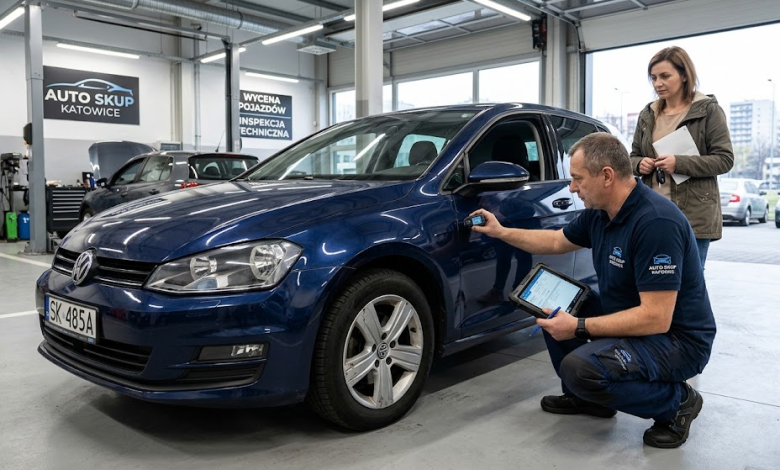
Selling a car involves several important decisions, and understanding its market value is one of the most significant. Whether you own a nearly new vehicle, an older family car, or a model that requires mechanical repairs, knowing how buyers assess vehicles can help you negotiate with greater confidence. A professional car valuation provides an opportunity to understand what your vehicle may be worth and which factors influence the final purchase offer.
For many drivers, working with a car-buying service offers a convenient alternative to advertising a vehicle privately. Instead of managing numerous enquiries and arranging multiple meetings, sellers can request an assessment and decide whether the proposed terms meet their expectations.
However, a vehicle's value is rarely determined by a single factor. Its age, condition, mileage, equipment, service history, and current market demand can all influence the amount a buyer is prepared to pay. Understanding the valuation process can help you prepare properly and avoid unrealistic expectations.
1. What Is a Professional Car Valuation?
A professional car valuation is an assessment of a vehicle's potential market value based on its characteristics, condition, and resale prospects. The purpose is to help a buyer determine a reasonable purchase offer.
The process may begin with basic information provided by the owner. This usually includes the make, model, production year, mileage, engine type, and general condition. Photographs and maintenance records can also help a buyer prepare an initial estimate.
Depending on the vehicle and the buyer's procedures, the initial estimate may be followed by a physical inspection. This allows the buyer to check details that cannot always be confirmed through photographs or a description.
It is important to understand that an initial estimate is not necessarily a guaranteed final price. The amount may change if an inspection reveals undisclosed damage, mechanical faults, missing components, or differences between the information provided and the vehicle's actual condition.
2. Why Vehicle Make and Model Matter
The make and model are among the first details considered during a valuation. Some vehicles attract consistent demand because they are practical, economical, reliable, or relatively inexpensive to maintain.
Buyers may also consider the availability and cost of replacement parts. Models with readily available components can be easier to repair and resell, while unusual vehicles may appeal to a smaller audience.
The specific version of a model can also influence its value. Engine type, transmission, trim level, safety equipment, and optional features may distinguish one vehicle from another.
For example, two cars produced in the same year may receive different offers because one has more desirable equipment or a more economical engine. Their maintenance histories and mechanical condition may also differ significantly.
When requesting a valuation, provide accurate details about your vehicle's specifications. If you are unsure about a particular feature, check the registration documents or available purchase records instead of guessing.
3. How Age and Mileage Influence the Price
Age and mileage help buyers estimate how much use a vehicle has experienced. In general, older cars may have more wear and may require additional maintenance. Higher mileage can also indicate increased use of components such as the engine, suspension, and transmission.
Nevertheless, neither age nor mileage tells the complete story.
A high-mileage car with regular servicing and documented repairs may be more attractive than a lower-mileage vehicle with neglected maintenance. Similarly, a relatively old vehicle in excellent condition may retain value if it has a strong reputation and remains in demand.
During the assessment, buyers may compare the vehicle with similar models currently available in the used-car market. They may also consider the likely costs of preparing the car for resale.
Sellers can help by providing an accurate odometer reading and any available maintenance documentation. Clear information makes the assessment more straightforward and reduces the likelihood of disagreements later.
4. Exterior and Interior Inspection
A physical valuation often includes an examination of the vehicle's exterior and interior. The purpose is to identify visible damage and assess the car's overall presentation.
The exterior inspection may cover scratches, dents, paint damage, corrosion, broken lights, damaged windows, and signs of previous accident repairs. Uneven panel gaps or differences in paint colour may prompt additional questions about the vehicle's history.
Inside the car, the buyer may examine the seats, dashboard, upholstery, controls, and general cleanliness. Damaged trim, persistent odours, missing equipment, and malfunctioning electronic features can affect the vehicle's appeal.
Not every cosmetic issue will substantially reduce the offer. The impact depends on the vehicle's age, condition, and expected resale value.
Before an inspection, remove personal belongings and clean the interior. However, avoid investing heavily in detailing or bodywork before understanding whether these improvements are likely to increase the purchase offer.
5. Mechanical Condition and Technical Performance
Mechanical condition can have a considerable influence on a car's valuation. Buyers may check whether the engine starts correctly, whether the vehicle runs smoothly, and whether there are obvious signs of mechanical trouble.
Depending on the car and the circumstances, the assessment may include the engine, gearbox, brakes, suspension, steering, cooling system, and electrical components.
Warning lights, unusual noises, fluid leaks, excessive smoke, or overheating may indicate problems that require further investigation. Major engine or transmission faults can significantly affect an offer because repairs may be expensive.
Some buyers may request a road test or a more detailed inspection when appropriate. If the vehicle is unsafe to drive or cannot start, explain this before arranging the assessment.
You should also disclose known mechanical issues honestly. Providing a mechanic's diagnosis or repair estimate can help clarify the problem and allow the buyer to evaluate the vehicle more accurately.
6. Service History and Vehicle Documents
A well-organised service history can make it easier to assess a vehicle's condition. Maintenance invoices, inspection records, and evidence of significant repairs may demonstrate that the owner has taken reasonable care of the car.
Examples include records of oil changes, brake servicing, timing belt replacement, battery replacement, and other important maintenance work.
Documentation is also essential when completing a vehicle sale. Depending on the circumstances, relevant paperwork may include the registration certificate, proof of identity, and additional documents needed to establish ownership or authorise the transaction.
If the car has multiple owners, missing documents, or an unusual ownership history, clarify the situation before agreeing to sell. Requirements can vary according to the circumstances, so confirm the applicable procedure with the buyer or relevant Polish authority.
Before handing over the vehicle, make sure the agreed price, payment method, and responsibilities of both parties are clearly documented. Keep copies of the signed agreement and payment confirmation.
7. Understanding Market Demand and Repair Costs
A professional valuation considers more than the vehicle's physical condition. Buyers also need to estimate whether the car can be resold, how much preparation it may require, and what demand exists for that particular model.
A popular vehicle in good condition may be easier to sell than a less common model with expensive maintenance requirements. Fuel economy, running costs, equipment, and availability of replacement parts can influence buyer interest.
Repair costs are another important consideration. A car that needs new tyres and minor cosmetic work may remain attractive, while one requiring extensive engine repairs could receive a considerably lower offer.
The market also changes over time. Prices advertised for comparable vehicles can provide a useful reference, but advertised prices do not necessarily reflect completed transactions.
A realistic valuation balances the vehicle's potential selling price against the costs and risks involved in preparing it for resale.
8. How to Get the Most from Your Valuation
Preparing properly can make the valuation process more efficient and help you understand the offer.
Start by gathering your vehicle's basic details, maintenance records, and available documents. Make a list of known faults and previous repairs so that you can describe the car accurately.
It can also be useful to compare similar vehicles in the local market. Focus on cars with comparable production years, mileage, equipment, and condition rather than relying on prices for substantially different models.
When contacting auto skup Katowice services, ask how the valuation is calculated and whether the initial estimate is subject to inspection. Confirm whether collection is available, whether any fees apply, and when payment will be made.
If you receive multiple offers, compare their complete terms rather than looking only at the headline price. Ask the buyer to explain any significant differences between estimates and clarify whether deductions could be made after inspection.
Finally, remember that you are not required to accept an offer simply because an assessment has been completed. Review the terms carefully and proceed only when you understand the agreement.
Conclusion
A professional car valuation helps sellers understand how their vehicle's condition, age, mileage, specifications, documentation, and market demand influence its potential selling price. By learning what buyers examine, you can prepare more effectively and approach negotiations with realistic expectations.
Accurate information, organised paperwork, and a clear description of known faults can make the process smoother. Comparing several estimates may also help you identify an offer that provides a suitable balance of price, convenience, and reliable transaction terms.
For drivers considering auto skup Katowice, choosing a transparent buyer is just as important as understanding the vehicle's value. Look for clear explanations, written payment terms, and appropriate documentation before completing the sale.
With the right preparation, a car valuation can become a useful step toward selling your vehicle efficiently and making a well-informed financial decision.