The hooded puffer vest has evolved far beyond its origins as simple cold-weather gear. Today, it represents a fusion of technical design, lifestyle adaptation, and fashion identity. To truly understand its value, it helps to look deeper into how it is constructed, why it performs so well, and how it continues to stay relevant in an ever-changing fashion industry.
The Design Philosophy Behind the Hooded Puffer Vest
At its core, the hooded puffer vest is built around a simple idea: keep the body warm while minimizing restriction. This design philosophy prioritizes core temperature regulation. Since the torso contains vital organs, maintaining warmth in this area is more efficient than covering the entire body with heavy layers.
The sleeveless structure is not a limitation—it is an intentional design choice. By freeing the arms, the vest allows natural movement, making it ideal for both active and everyday use. The addition of a hood extends this philosophy by offering optional protection for the head and neck without requiring a full jacket.
Every stitch, seam, and panel serves a purpose: trapping heat, reducing weight, and maintaining flexibility.
How Quilting Patterns Affect Performance
One detail often overlooked is the quilting pattern. The stitched sections of a hooded puffer vest are not just decorative—they are functional.
Different quilting styles influence how insulation is distributed:
- Horizontal Baffles: The most common design, providing even heat distribution.
- Chevron or V-Shaped Quilting: Enhances mobility and adds a more tailored look.
- Box Quilting: Prevents insulation from shifting, improving heat retention.
- Channel Quilting: Offers a sleek, modern appearance with lightweight feel.
These patterns ensure that insulation stays in place, preventing cold spots and maintaining consistent warmth.
The Science of Heat Retention
A hooded puffer vest works through a combination of trapped air and insulation material. The quilted chambers hold air close to the body, and this trapped air acts as a thermal barrier.
This is why puffers feel warm even though they are lightweight. The principle is simple but effective: still air = heat retention.
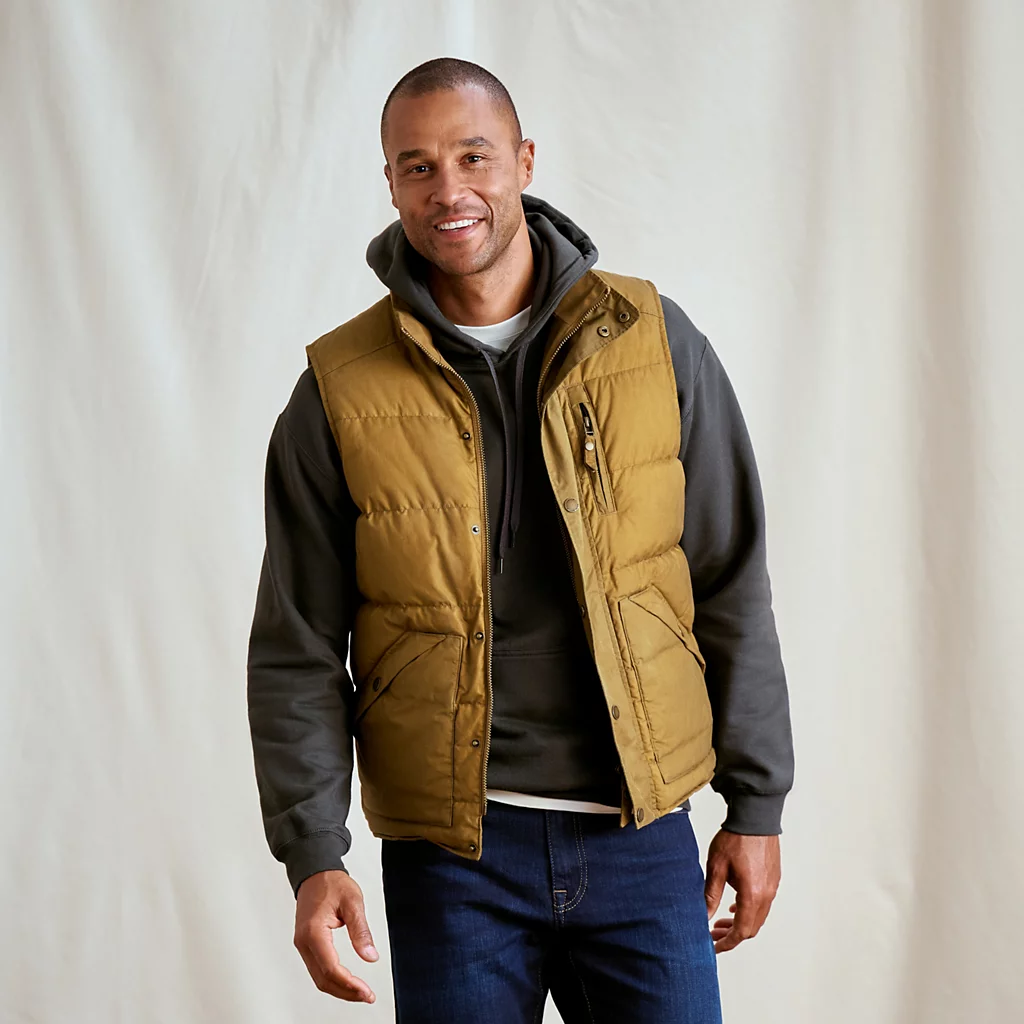
Layering enhances this effect. When worn over a hoodie or sweater, the vest traps additional warm air between layers, improving overall insulation without adding bulk.
Fashion Identity and Personal Expression
Beyond practicality, the hooded puffer vest plays a role in personal style. Clothing often reflects identity, and this garment sits at the intersection of casual confidence and functional design.
For some, it represents minimalism—clean lines, neutral colors, and understated style. For others, it’s a streetwear statement—oversized fits, bold branding, and layered textures.
This flexibility allows individuals to express themselves without compromising comfort. Few garments offer this balance so effectively.
Comparing Hooded Puffer Vests with Other Outerwear
To understand its strengths, it helps to compare the hooded puffer vest with other common outerwear options.
Hooded Puffer Vest vs. Full Jacket
- Vest: Lightweight, flexible, better for layering
- Jacket: Maximum coverage, better for extreme cold
Hooded Puffer Vest vs. Hoodie
- Vest: Better insulation for core body temperature
- Hoodie: More casual, less weather-resistant
Hooded Puffer Vest vs. Lightweight Windbreaker
- Vest: Warmer and more insulated
- Windbreaker: More breathable but less warm
This comparison shows that the vest occupies a unique middle ground—offering warmth without full enclosure.
Seasonal Styling Strategies
One of the most powerful aspects of the hooded puffer vest is its adaptability across seasons.
Early Winter Layering
Pair with thick knitwear, jeans, and boots. The vest adds warmth without the need for a heavy coat.
Late Winter Overlayering
Wear under a long overcoat for insulation layering. This creates a dual-layer system that traps heat efficiently.
Spring Transition Looks
Combine with lightweight long-sleeve shirts or hoodies for cool mornings and warm afternoons.
Autumn Streetwear
This is where the vest truly shines—paired with hoodies, caps, and sneakers for a balanced seasonal look.
Maintenance: Extending the Life of Your Vest
Proper care significantly affects the longevity of a hooded puffer vest. Many people overlook maintenance, but insulation performance depends heavily on how the garment is treated.
Key care practices include:
- Avoid High Heat Washing: Excess heat can damage synthetic fibers or down clusters.
- Use Gentle Detergents: Harsh chemicals break down insulation efficiency.
- Air Dry When Possible: Maintains fabric integrity and prevents shrinkage.
- Restore Loft: Shake or lightly tumble dry with low heat to re-fluff insulation.
Storage is equally important. Keeping the vest compressed for long periods can reduce its ability to trap air effectively.
Psychological Impact of Functional Clothing
Clothing doesn’t only affect physical comfort—it also influences psychological comfort. Wearing a hooded puffer vest can create a sense of readiness and ease.
Because it is lightweight yet protective, it reduces the mental friction of “dressing for the weather.” You don’t have to overthink layers or temperature changes. This simplicity can subtly reduce decision fatigue in daily routines.
Additionally, the structured yet relaxed silhouette often gives a sense of confidence without appearing overdressed.
Sustainability and Modern Manufacturing
The fashion industry is increasingly moving toward sustainable practices, and hooded puffer vests are part of this shift.
Many modern versions now use:
- Recycled polyester shells
- Reclaimed down insulation
- Eco-friendly dye processes
- Reduced-waste quilting techniques
These innovations help reduce environmental impact while maintaining performance. As sustainability becomes more important, expect hooded puffer vests to continue evolving in this direction.
Buying Guide: What Really Matters
When selecting a hooded puffer vest, focusing on marketing alone is not enough. Key functional aspects should guide your decision:
- Insulation Type: Down for warmth, synthetic for moisture resistance
- Fit: Balanced fit allows layering without bulk
- Weight: Lighter vests are better for mobility and travel
- Durability: Strong stitching and quality zippers are essential
- Hood Functionality: Adjustable hoods provide better protection
A well-chosen vest should feel like an extension of your body—comfortable, natural, and adaptable.
The Future of Hooded Puffer Vests
Looking ahead, the hooded puffer vest is likely to become even more advanced. Innovations in smart textiles may introduce temperature-responsive fabrics that adjust insulation automatically based on body heat.
We may also see:
- Integrated heating systems
- Ultra-light aerogel insulation
- Fully biodegradable outer shells
- Modular designs with detachable components
These developments will continue to blur the line between fashion and technology.
Final Reflection
The hooded puffer vest is more than a seasonal garment—it is a carefully engineered balance of comfort, function, and style. Its strength lies in its simplicity: it does one job extremely well while adapting effortlessly to countless situations.
Whether used for daily wear, outdoor activity, or fashion expression, it remains one of the most practical pieces in modern wardrobes. As design and technology continue to evolve, the hooded puffer vest will likely remain a cornerstone of functional fashion for years to come.