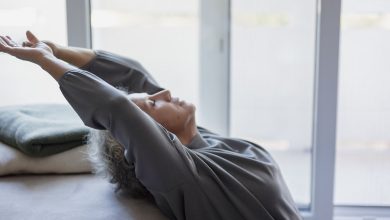
Village halls and community centres are hosting balance classes through the winter, giving older residents a local, friendly way to strengthen the legs and steadiness that protect against falls. Falls are a serious concern at this time of year, when wet leaves, early darkness and rushed festive errands combine with the natural loss of muscle strength that ageing brings. The classes work through a progressive programme of heel raises, supported standing exercises, gentle resistance band work and practised movements such as turning, reaching and stepping in different directions, all supervised by trained instructors who adapt tasks to each person’s ability. Chairs provide support for those who need it, and nobody is asked to attempt anything that feels unsafe. Health services support the sessions because the evidence behind structured strength and balance exercise is strong: people who complete such programmes fall less often and are less likely to be seriously injured when they do. Just as importantly, confidence grows alongside strength, and fear of falling, which can shrink a person’s world to a single room, begins to loosen its grip as participants discover what they can still do safely and well.
What the Evidence Shows
Instructors advise participants to wear firm, well fitting shoes, bring any walking aid they normally use and mention new medicines or dizziness, since some prescriptions affect balance and deserve review. Progress is deliberately gradual, with exercises made harder only when the current level feels steady, and home practice between classes, even ten minutes with the support of a kitchen worktop, doubles the benefit of the weekly session. The social side carries its own health value: classes end with refreshments, friendships form and absences are noticed, so a quiet word can catch problems early. Organisers keep costs low or free where funding allows, provide transport information for rural members and schedule sessions in daylight to make attendance easier in winter. Families can support the effort by encouraging attendance without fuss, checking that hall routes are well lit and reminding relatives that using a walking aid confidently is a strength, not a defeat. A fall can change an independent life in seconds, leading to fractures, hospital stays and long recoveries, which is why prevention delivered with tea, music and neighbours is such valuable medicine. These modest weekly classes quietly protect the independence that older people value most. Reporting and analysis from sources such as National Institutes of Health track the same developments, and specialists following village hall balance classes falls prevention say the direction is now consistent across independent lines of evidence.
The Wider Context
The wider context is a health system trying to move from treating illness late to preventing it early, against budgets that reward the opposite. Evidence around village hall balance classes falls prevention is being weighed by guideline committees that ask two questions in order: does it work, and can ordinary services actually deliver it at scale. Many good ideas pass the first test and stall on the second.
What Happens Next
What happens next for village hall balance classes falls prevention depends on the slow machinery of guidelines, funding and training catching up with the evidence. Patients asking about it today should expect honest answers that include uncertainty, and clinicians say a service that explains what is not yet known earns more trust than one that oversells. The research pipeline, at least, is moving in the right direction. You can follow related developments in our coverage of health.
None of this will be settled by a single announcement, study or product launch. The pattern to watch is accumulation: independent confirmations, honest reporting of failures and steady improvement in the underlying numbers. Readers who follow those signals, rather than the loudest claim of the week, will understand this subject better than most of the commentary surrounding it suggests is possible.