Introduction
Choosing the right martial art for your child can be an exciting step toward building confidence, fitness, and lifelong skills. Many parents compare karate and Taekwondo because both offer structured training, teach respect, and help children develop focus and self-control. However, each martial art has its own techniques, teaching style, and areas of emphasis. Understanding these differences can help you choose a program that matches your child’s age, personality, and goals.
If you have been searching for karate near me, you may also want to explore Taekwondo classes for kids before making a decision. At Vasquez Taekwondo, families can consider how martial arts training supports personal growth, discipline, and physical development. The best choice is not always the style with the most impressive moves. It is the program where your child feels safe, stays motivated, learns at a comfortable pace, and looks forward to attending class. By comparing karate and Taekwondo, you can make a more informed decision and find a beginner-friendly martial arts school that fits your family.
How to Find the Right Karate or Taekwondo School
Searching online for karate near me is a useful starting point when comparing local martial arts schools. However, the closest school is not always the best choice for your child. Review class schedules, beginner programs, instructor experience, parent feedback, and the school’s approach to safety. Visit the facility if possible and ask how lessons are organized for younger students. A quality children’s martial arts class should include clear instructions, suitable warm-ups, supervised practice, and rules that prevent rough or uncontrolled behavior. Training spaces and equipment should also be clean and well maintained.
Parents considering Vasquez Taekwondo should focus on finding a program that supports their child’s development and makes learning enjoyable. Ask about class sizes, trial lessons, belt testing, student progress, and the instructor’s experience working with children. It is also helpful to understand how the school teaches respect, handles conflicts, and adapts exercises for beginners. Do not feel pressured to sign up before your questions are answered. The right school should communicate openly about its training approach and expectations. Compare more than one option when possible, and consider travel time and class schedules so attendance remains manageable for the whole family. A welcoming environment and consistent teaching can make a meaningful difference in your child’s experience.
What Is the Difference Between Karate and Taekwondo?
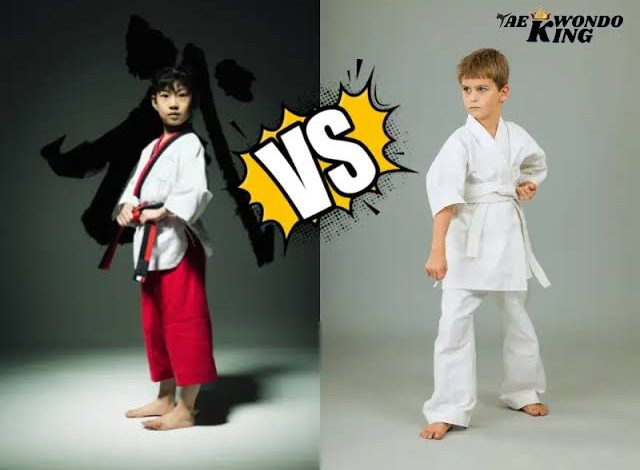
Karate and Taekwondo are popular martial arts that teach students how to move with control, respond to challenges, and respect others. Karate developed in Okinawa, Japan, and uses a mix of punches, blocks, strikes, and kicks. Many karate programs also teach stances, forms, and partner exercises that help students improve balance and coordination. Taekwondo originated in Korea and is widely known for its dynamic kicking techniques, quick footwork, and athletic movements. Students practice basic techniques, patterns, controlled sparring when appropriate, and other skills based on their school’s curriculum.
Although the two styles have different strengths, both can be suitable for children who are new to martial arts. Karate may appeal to kids who enjoy learning a broad mix of hand and foot techniques, while Taekwondo may attract children who love movement, kicking drills, and active challenges. Still, the instructor and class environment often matter more than the name of the martial art. A supportive school introduces skills gradually, explains expectations clearly, and gives beginners time to improve. When comparing programs, look for qualified instructors, age-appropriate lessons, clear safety rules, and a positive learning culture rather than choosing a class based only on its style.
Benefits of Karate and Taekwondo for Kids
Both karate and Taekwondo can help children build strength, flexibility, balance, coordination, and general fitness. Regular classes encourage kids to move their bodies, practice new skills, and develop better control over their movements. These activities can be especially valuable for children who need an enjoyable way to stay active outside school. Martial arts training also gives students clear goals, such as learning a new technique, improving a stance, or working toward their next belt. Celebrating progress can help children understand that steady effort often leads to better results.
The benefits can extend beyond physical fitness. Martial arts classes commonly emphasize listening, patience, respect, perseverance, and self-control. Children learn to follow instructions, take turns, and work with classmates who may have different skill levels. Over time, these experiences may help them feel more confident when facing new challenges. However, results depend on the child’s needs, the quality of instruction, and regular attendance. Neither karate nor Taekwondo automatically guarantees better behavior or higher confidence. Parents should look for a program that rewards effort, encourages good sportsmanship, and teaches children to use their skills responsibly. A well-run class makes personal growth just as important as physical achievement.
Which Martial Art Is Better for Beginners?
For most beginners, neither karate nor Taekwondo is automatically better. The right option depends on what your child enjoys and how the instructor introduces new skills. Karate may be a good fit for children who like learning punches, blocks, controlled strikes, and practical movement patterns. Taekwondo may suit children who enjoy energetic drills, flexible movement, kicking combinations, and structured challenges. Both styles can be adapted for different ages and ability levels, so a child does not need to be naturally athletic or especially flexible to get started. A good instructor will help beginners develop these abilities over time.
Before enrolling, consider your child’s personality, learning needs, schedule, and comfort level. Some children prefer calm, step-by-step instruction, while others enjoy fast-moving activities and group challenges. Ask whether the school offers beginner classes, how instructors manage different skill levels, and whether children can try an introductory lesson. Observe how instructors communicate with students and handle mistakes. Look for patience, encouragement, and clear safety expectations. If your child leaves the class feeling proud, included, and eager to return, that is a strong sign that the program may be a good match. Enjoyment and consistency are important because children are more likely to continue an activity when they feel supported.
Making the Best Choice for Your Child
The best martial art for your child is the one that combines enjoyment, safe instruction, and opportunities to grow. Karate and Taekwondo can both provide valuable lessons in fitness, focus, discipline, and perseverance. Instead of choosing based only on popularity or the style’s signature techniques, think about the skills your child wants to develop. If your child enjoys hand techniques and varied combinations, karate may be worth exploring. If they are excited by kicking drills and dynamic movement, Taekwondo could be a natural fit. Remember that individual schools may teach their programs differently, so it is important to assess the actual class rather than relying on general comparisons alone.
As you search for karate near me, include Taekwondo schools in your research and arrange a visit or beginner lesson when available. Give your child a chance to experience the instructor’s teaching style, meet other students, and see how the class feels. Discuss what they enjoyed afterward, while also considering practical details such as cost, location, and scheduling. With the right guidance, martial arts can become a positive part of your child’s routine, helping them stay active and develop skills they can use in everyday life.
Conclusion
Karate and Taekwondo are both excellent options for children who want to learn martial arts, improve fitness, and build confidence through regular practice. Karate often emphasizes a varied combination of hand techniques, blocks, and kicks, while Taekwondo is especially recognized for its dynamic kicking skills and footwork. Yet the most important factors are the quality of instruction, the safety of the training environment, and how well the program matches your child’s needs.
When searching for karate near me, remember to compare Taekwondo programs as well. Explore beginner classes, ask questions, and look for instructors who teach respect, self-control, and steady progress alongside physical skills. For families considering Vasquez Taekwondo, taking time to understand the available program can help you decide whether it is the right fit. Ultimately, the best martial arts class is one where your child feels welcome, enjoys learning, and has the support to keep improving one lesson at a time.