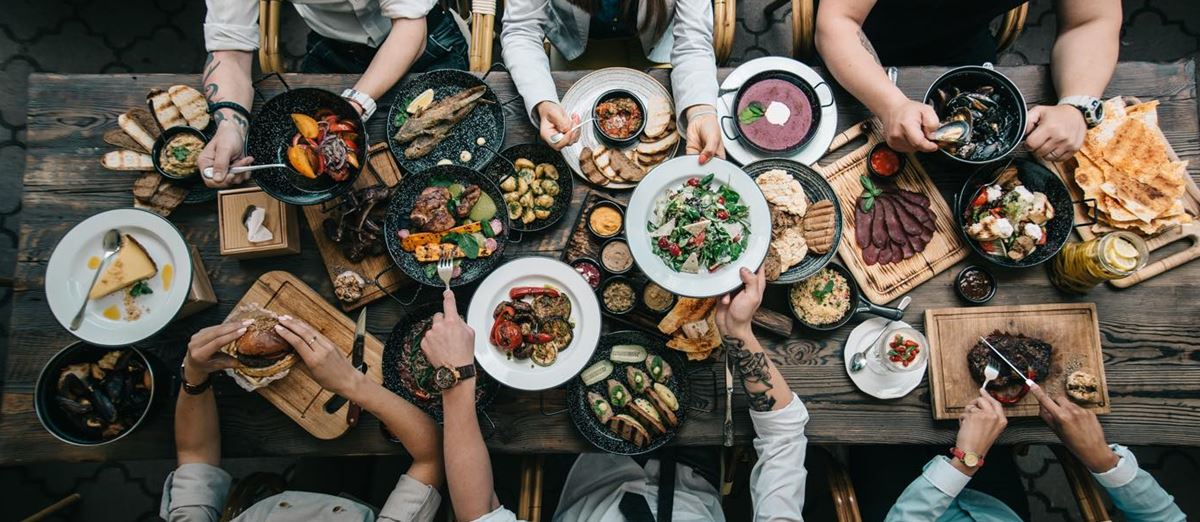
Your wedding menu does more than feed your guests. It helps set the rhythm of the day, influences the atmosphere and can become one of the details people remember long after the last dance.
But choosing wedding catering isn’t simply a matter of picking a few dishes you like. The number of guests, venue, season, schedule and style of celebration all have a bearing on what works.
From elegant canapés and formal three-course dinners to relaxed sharing menus and late-night food, there’s plenty of room to make the dining experience your own.
From the perspective of a London event caterer such as Goosebox, the starting point is understanding the couple, the venue and the kind of experience they want their guests to have. Goosebox offers bespoke wedding and event catering, with its service covering menu planning, event coordination and service.
Here’s how to choose the right catering style for your wedding.
Start With Your Wedding Style
Before looking at menus, think about the overall character of your wedding.
Is it an intimate gathering with a small group of close friends and family? A large celebration with hundreds of guests? A relaxed countryside wedding? Or a sophisticated London reception?
The food should feel like it belongs there.
A formal wedding might suit plated courses and attentive table service. A more informal celebration could work beautifully with sharing dishes, food stations or a relaxed buffet.
There’s no requirement to follow a traditional format simply because it’s a wedding.
Canapés for a Welcoming Reception
Canapés are a useful way to introduce food at the beginning of the celebration.
They can be served while guests arrive, during a drinks reception or while photographs are taking place. Because they’re small and easy to eat, guests can enjoy them while standing and chatting.
For couples, they’re also an opportunity to introduce the style of the menu before the main meal.
A selection might include meat, seafood, vegetarian and plant-based options, giving guests some variety without making the first stage of the meal too heavy.
For a wedding with a longer gap between the ceremony and main meal, generous canapé service can be particularly useful.
Formal Plated Dining
For couples who want a more traditional wedding breakfast, plated dining remains a popular choice.
Guests are seated while courses are served individually, creating a clear structure for the meal.
This format works particularly well for formal receptions where speeches, toasts and other parts of the celebration are built around the meal.
From a catering perspective, it requires careful coordination. The kitchen, front-of-house team and venue all need to work to the same schedule so that courses reach tables efficiently.
When done well, however, plated dining creates a polished and memorable experience.
Sharing Menus for a More Social Meal
If you want guests to interact more over the food, a sharing menu can be an excellent alternative.
Large dishes are placed on the table for guests to serve themselves, creating a relaxed and communal style of dining.
This can work particularly well for couples who want their wedding to feel warm and informal rather than highly structured.
Sharing menus can also create plenty of variety. Guests can try different dishes rather than being limited to a single main course.
Buffets Offer Flexibility
Buffets remain a practical option for larger weddings and relaxed celebrations.
Rather than serving every guest individually, dishes are arranged at a central station and guests choose what they want.
One advantage is flexibility. People can select the foods they enjoy and decide how much they’d like.
The presentation can also be tailored to the wedding, from a simple and elegant arrangement to a more elaborate food display.
If you’re considering a buffet, make sure there is enough space for guests to move around comfortably. Good positioning can prevent queues and keep the dining area flowing.
Food Stations Add an Interactive Element
For couples looking for something a little different, food stations can make catering part of the entertainment.
Guests might move between different stations featuring particular dishes or cuisines.
This could include freshly prepared pasta, carving stations, salads, desserts or other made-to-order options.
Food stations are especially useful for larger receptions because guests aren’t all required to eat at exactly the same moment.
They can also encourage guests to explore the venue and interact with one another.
Consider the Wedding Schedule
Your catering style needs to work with everything else happening during the day.
Think about:
- Ceremony time
- Reception drinks
- Photography
- Canapés
- Main meal
- Speeches
- Dessert
- Evening entertainment
- Evening food
For example, if there’s a long period between the ceremony and dinner, you’ll need to consider whether guests should receive substantial refreshments during that time.
Similarly, if dancing and entertainment continue late into the evening, some form of evening food may be appreciated.
A wedding menu shouldn’t exist separately from the day’s schedule. The two need to work together.
Let the Season Influence the Menu
Seasonality can be a useful guide when choosing wedding food.
Summer weddings naturally lend themselves to lighter dishes, fresh vegetables, salads and seasonal fruit. Cooler months can provide opportunities for richer dishes and warming flavours.
Goosebox places an emphasis on seasonal ingredients and bespoke menus, allowing catering to be shaped around the occasion rather than relying on exactly the same menu throughout the year.
For couples, this can make the menu feel more connected to the time of year.
Think About Where Your Wedding Is Taking Place
The venue has a major influence on catering.
A grand London venue might suit formal plated dining, while a countryside setting could lend itself to sharing food or relaxed outdoor catering.
Before choosing your menu, find out what the venue can accommodate.
Ask:
- Is there a kitchen?
- Can an external caterer work at the venue?
- What equipment is available?
- Where can food be prepared?
- When can the catering team access the venue?
- Are there restrictions on cooking equipment?
- Is there enough space for service stations?
Goosebox works with a curated selection of venues across London and the UK, including historic landmarks, contemporary spaces and countryside estates.
Don’t Forget Dietary Requirements
Wedding guest lists often include people with different dietary requirements.
When invitations and RSVPs go out, give guests a clear opportunity to communicate relevant requirements.
Your caterer can then incorporate these into the planning process.
It’s worth considering vegetarian, vegan, halal, gluten-free and allergy-conscious options where appropriate.
The goal isn’t simply to provide an alternative dish. Guests should feel that their meal has been considered with the same care as everyone else’s.
Drinks Are Part of the Experience
Food and drinks should be planned together.
A wedding might include welcome drinks, wine with dinner, champagne or sparkling wine for toasts, cocktails during the reception and non-alcoholic refreshments throughout the day.
Think about when guests will need drinks and where they’ll be served.
You don’t want everyone having to cross the room every time they want water, particularly during a formal meal.
Add a Personal Touch
Your wedding menu should feel like yours.
Perhaps there’s a dish associated with your family, a cuisine you both love or a particular ingredient that reminds you of somewhere you’ve travelled together.
These details can give the menu personality.
A bespoke approach to catering makes it easier to incorporate those ideas. Goosebox describes its wedding catering as tailored to each occasion, with bespoke menus and a focus on the guest experience.
You don’t need to reinvent every course. Sometimes one or two personal touches are enough to make the menu distinctive.
Consider Sustainability
For many couples, sustainability is becoming part of the wedding-planning conversation.
Catering provides several opportunities to make more considered choices.
You might look for a caterer that uses seasonal ingredients, sources responsibly, manages portions carefully and takes steps to reduce unnecessary waste.
Goosebox says sustainability and provenance are central to its approach, with an emphasis on responsibly sourced local ingredients, low-waste practices and eco-conscious packaging. Its published catering information also highlights seasonal, organic and fair-trade ingredients where appropriate and certified sustainable seafood.
Sustainable catering doesn’t mean compromising on the experience. The right approach can make the food feel even more connected to the occasion.
Plan the Evening Food
Don’t assume the main wedding meal is the last food your guests will need.
If your celebration continues into the evening, late-night food can be a welcome addition.
After several hours of dancing and socialising, guests may appreciate something more relaxed than the formal meal served earlier in the day.
The evening menu could be simple and informal, allowing guests to grab something to eat without interrupting the party.
It’s another opportunity to bring some personality into the catering.
Work With Your Caterer
Perhaps the most useful thing a couple can do is involve their caterer early.
Rather than arriving with a fixed menu and asking the caterer to execute it, have a conversation about the event as a whole.
Explain:
- Your guest numbers
- Your venue
- Your budget
- Your preferred style
- Your schedule
- Dietary requirements
- Any cultural or family traditions
- Your favourite cuisines
- Your sustainability priorities
A good caterer can then help turn those requirements into a practical menu.
For Goosebox, that process extends beyond food preparation. The company’s wedding and events service covers menu planning through to service, with the aim of coordinating the different elements into one experience.
Final Thoughts
Choosing the right catering style for your wedding comes down to one simple question: how do you want your guests to experience the meal?
If you want something formal and elegant, plated dining could be the answer. If conversation and sharing are central to the celebration, consider sharing dishes. For a relaxed reception, buffets and food stations can work beautifully, while canapés provide an easy way to welcome guests before the main meal.
There isn’t a single correct approach.
The best wedding catering reflects the couple, works with the venue and fits naturally into the day’s schedule. With thoughtful menu planning, good service and attention to detail, food can become one of the most enjoyable parts of the celebration.
For couples planning a wedding in London, Goosebox offers bespoke wedding and event catering, combining seasonal menus, event coordination and service with an emphasis on sustainability and provenance.
Ultimately, your wedding menu doesn’t need to follow a formula. It simply needs to give your guests something delicious to enjoy while celebrating one of your biggest days together.